Growing orchids means passing five tests, and none can be missed if you want to grow them well
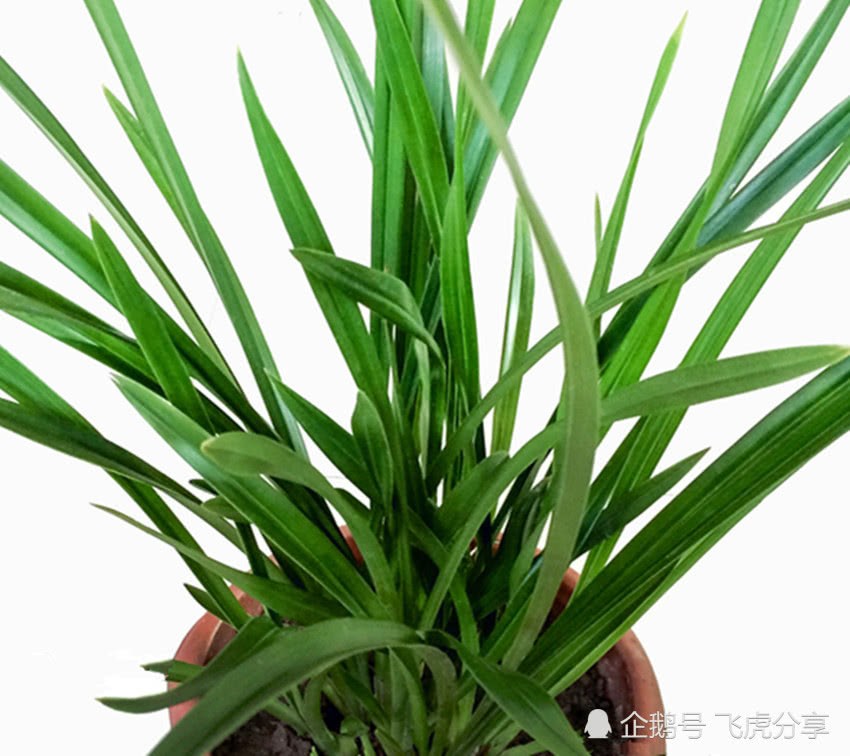
In recent years many people have taken up growing orchids, but during care, because they do not understand the growing habits of orchids and lack knowledge about orchid care, they always end up growing them in a mess, and then conclude orchids are hard to grow. In fact, the reason orchids do not grow well lies in improper care methods. During growth, orchids need to pass five tests; in care, you only need to get these five tests right, and no matter how you grow them, they will thrive.
1, The potting medium test. The first thing in growing orchids well is the potting medium test; choose the medium well, and you are already halfway to success in growing orchids. Orchids are fleshy-rooted plants and during growth need a loose, breathable, well-draining, fertile granular potting medium. Be sure to avoid alkaline and clayey soils, and in cultivation match soft and hard materials reasonably. For example: leaf mold, decomposed pine bark, coarse sand, chestnut leaves, pine needles, charcoal, etc. Mixing two to three of these to grow orchids is a good choice.
2, The environment test. What orchids fear most is a stuffy, unventilated care environment, especially in summer. If orchids stay for a long time in a hot, humid environment, it easily triggers pests and diseases, causing them to breed and spread; in mild cases the leaves turn yellow, dry up and develop spots, and in severe cases it causes root rot and death. Therefore, in ordinary care orchids must have good ventilation, keeping the air in the environment circulating, so as to help orchids grow robustly.
3, The watering test. Many flower lovers may have heard "dry orchids, wet chrysanthemums." No matter which potting medium is used to grow orchids, you must not make them too wet, and even less allow water to accumulate in the pot, otherwise it easily causes root rot and bud rot. Therefore, every time you water orchids, wait until the upper potting medium in the pot has dried before watering, and after watering ventilate in good time, so as to help the excess water in the pot evaporate quickly.
4, The fertilizing test. Many beginners at growing orchids always want the orchids they grow to look a little better, so they try every way to give them the best fertilizer, but the result is exactly the opposite. After fertilizing, either the leaves turn yellow or the roots rot, and in the end too much fertilizer causes death. So when fertilizing orchids, you must apply thin fertilizer, not too much and not too strong, and not apply it at random. You should choose orchid-specific fertilizer, and it is better to give less than more.
5, The light test. Orchids are semi-shade plants; in mountain forests, trees provide shade for them. But many orchid growers hear others say orchids need sufficient light to form buds and bloom, so they fall into a misunderstanding. If orchids are exposed to strong sunlight, they easily dry up, and the leaves will be damaged by the sun. Therefore, in care pay attention to shading, especially in summer; the shading intensity should be 70%-80%. Whether indoors or outdoors, as long as there is scattered light, keeping bright light is enough, so that they will not be harmed by sunlight.