How to grow lucky bamboo? Grow it this way for a tall, green plant that brings wealth and good fortune
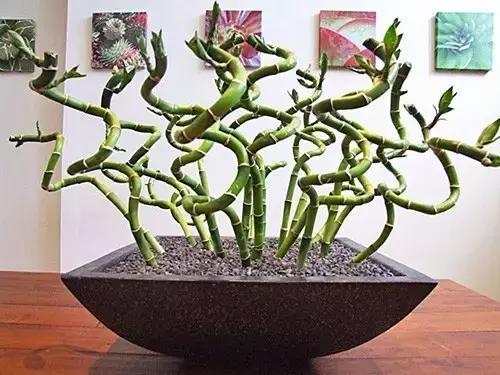
Lucky bamboo, also known as fortune-turning bamboo or luck-bringing bamboo, is kept in the home in small numbers, placed in a suitable container and position. It has excellent feng shui effects, symbolizes "great fortune and great profit," and also has fairly high ornamental value, making it popular with many people.
1 stalk - generates water and boosts fortune
3 stalks - blessing, wealth, and joy complete
4 stalks - boosts academic luck, aids examinations
5 stalks - all five elements complete
6 stalks - boosts power and authority, brings windfall wealth
8 stalks - regular income
9 stalks - marital joy and celebration
10 stalks - perfect in every way
Such a lovable plant, and the key is that it is also easy to grow. Just remember the following points, and it will grow green and tall - just looking at it puts you in a good mood!
Soil culture: the soil must be fertile and loose
Lucky bamboo likes moisture and is fairly tolerant of waterlogging, but that does not mean it is not afraid of standing water, so the potting soil must be loose with good drainage. When temperatures are high, evaporation is strong, and watering is frequent, be sure to increase ventilation, and the lucky bamboo will be in even better condition.
Lucky bamboo is a plant that fairly likes fertilizer. When choosing soil culture, the soil must have a certain fertility so the lucky bamboo will grow robustly and pleasingly; otherwise, apply light fertilizer frequently to ensure nutrient supply. Every spring, repot it, and it is best to add base fertilizer to the soil.
Water culture: do not change the water too often, and put an iron nail in the water
Many people grow a single stalk of lucky bamboo in water - simple and attractive, with good fortune-boosting effects too.
The most common mistake when growing lucky bamboo in water is poor water quality and changing the water too frequently.
For water culture, the best water quality is rainwater, or cooled boiled water that has been left to sit for half a day. If you habitually use freshly drawn tap water, the lucky bamboo definitely will not grow well. As for water-changing frequency, at most twice a week. Under normal conditions, if the roots are healthy, lucky bamboo does not need its water changed - just top it up whenever needed.
Lucky bamboo grown in water commonly suffers from iron deficiency, so experienced flower growers like to drop one or two rusty iron nails in to promote the plant's health.
Light and ventilation must be appropriate
Lucky bamboo fairly prefers a cool, shaded position, but it must never be placed somewhere with no light at all. It also needs a certain light environment to promote photosynthesis, so that the stems stay sturdy and the leaves stay healthy.
Lucky bamboo likes clean air with a certain humidity. In places heavy with grease and dust, its stomata get clogged, which easily affects growth. So be sure to remember to ventilate appropriately, and frequently mist and wipe the leaves.
With the right light, water, and fertilizer, the leaves will never turn yellow
Give it some light in the morning and evening, provide bright indirect care the rest of the time, keep the water clean and the environment humid, and fertilize in good time to supply nutrients - this way, there will basically be no yellowing of the leaves.
Listed below are several situations that cause lucky bamboo leaves to turn yellow, to help you judge and deal with them when care has been neglected:
Too much water:New leaves are yellow and dull, shrunken and not growing, the stems are yellow-green, and old leaves show little change - this is generally caused by overwatering. You can take the plant out of its pot, let it dry in a cool, ventilated place, then repot it.
Lack of water:Old leaves wither and yellow, falling off from the bottom upward, and the edges of normal leaves dry out - this situation is mostly seen with lack of water. When watering, water thoroughly in one go, and when temperatures are high, replenish water and mist in good time.
Too much light:Old leaves are normal, but the edges of leaves facing the sun dry out and develop yellow spots - this may be from overly strong sunlight. Avoid direct sun and move it to a sheltered spot.
Too little light:The whole plant's leaves turn yellow and some fall off - this is a problem that appears with long-term shade. Just supplement light appropriately, but do not suddenly move it into strong light.
Too much fertilizer:The tips of new leaves are very dark in color, the leaves are thick and do not spread out, and old leaves yellow and fall off - this is caused by over-fertilizing. Stop fertilizing and flush with clean water.
Too little fertilizer:New leaves are pale and on the yellow side, old leaves are fairly normal, and there is enough water - this indicates a lack of fertilizer. Use mainly nitrogen fertilizer, apply light fertilizer frequently, and repot and change the soil in good time in spring.
Keep it away from electric fans, air conditioners, and televisions
Lucky bamboo likes a humid environment. Around televisions, electric fans, and air conditioners, the air is mostly dry; if lucky bamboo is placed near a television or gets hit by air-conditioner or fan drafts, its leaf tips tend to dry out and the leaves curl and wither.