How do you care for a lucky bamboo (Dracaena sanderiana) placed in the living room? Water it occasionally and its leaves will be glossy green and lush
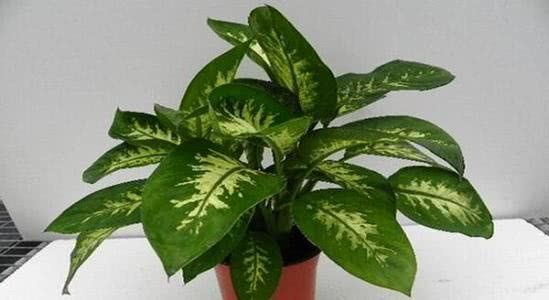
Friends who often read Huahua's articles surely know that Huahua usually shares little tips on how to grow plants, and today is no exception! It's easy to see that many plant lovers actually have more than one plant at home; some are green-leafed all over, while others can produce beautiful flowers.
Every plant has its own charm. Take green-leafed plants, for example: a healthy green-leafed plant radiates a breath of health and hope, giving people a feeling of reassurance and comfort. Today Huahua wants to introduce a plant called lucky bamboo (Dracaena sanderiana). I wonder if you're familiar with it?
Lucky bamboo (Dracaena sanderiana) - just from the name you can tell it's an evergreen foliage plant. People often keep a pot of lucky bamboo at home to keep their home forever youthful and full of vitality~ Now let Huahua introduce how to grow this lucky bamboo!
Environment
The environment suitable for lucky bamboo growth is a semi-shaded one, where the temperature is appropriate and it is not easily exposed to strong sunlight. The suitable growing temperature for lucky bamboo is between 15-18°C, and right now it happens to be autumn, which is very suitable for growing lucky bamboo. In winter in the north, it's best to move lucky bamboo indoors, because winter sunlight is not too plentiful, so it should be placed in a relatively sunny spot~ The minimum winter temperature must not fall below 5°C; below this temperature, lucky bamboo may suffer cold damage.
Soil
For the soil used to grow lucky bamboo, any soil except clay and alkaline soil can be used. When planting, we can use leaf mold mixed with some sand to increase air permeability. The soil prepared this way is rich in nutrients and more suitable for lucky bamboo.
Water and fertilizer management
While lucky bamboo is growing, it should be fertilized roughly once every 10-15 days to ensure the nutrients needed during the growing period. In summer, the frequency of watering can be adjusted according to the ambient temperature, and the watering interval can be shortened. In winter it's the opposite: reduce watering appropriately, and also stop fertilizing lucky bamboo.
Pruning
When lucky bamboo is grown at home, it is generally appreciated as a decorative item, so its shape is also very important. During the growing process, we should promptly observe whether the leaves of the lucky bamboo show signs of rot or yellowing, and prune them in time to maintain its shape. This can also encourage lucky bamboo to grow new tender leaves!
In short, lucky bamboo is still fairly easy to grow. The only thing to note is that in winter you need to take good insulation measures so that lucky bamboo does not suffer cold damage or other common winter problems. As long as it gets through winter, lucky bamboo will grow well all year round!
If any friends like this kind of all-green plant, why not try growing lucky bamboo? It's easy to grow and good-looking!