Can't Keep Camellias Alive? Mastering These Key Points Is Crucial
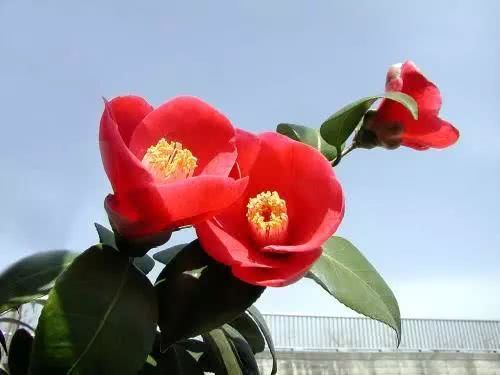
Many flower lovers like to plant camellias indoors or in their courtyards. Their blooming period falls during the traditional Chinese Spring Festival, making it a truly wonderful time to enjoy the flowers. If you want to keep a pot of camellias at home, how should you care for them?
First, let's start with the plant's growth habits. Camellias (Camellia japonica) like windy, sunny spots. Places with higher elevation have better air circulation, and loose soil improves drainage. The blooming period is from January to March. The petals are bowl-shaped, and there are two types: double-petaled and single-petaled. Double-petaled ones have a lovely layered look, and some even have color gradients, which makes them even better.
Besides the difference in petals, camellias also differ in color. Their flower colors include red, white, yellow, multicolored, and more. A well-growing plant can reach up to four meters tall, though only when planted in the ground can it achieve such grand growth. Next comes the various aspects of cultivation, such as propagation, light, temperature, pruning, pests and diseases, and so on. Let's go through them one by one below.
1. Light and temperature. Camellias are semi-shade medium-sized flowering plants. Summer weather is quite hot, so if you can move them, move them to a spot without strong light. If you can't move them, be sure to build a shade canopy. After autumn arrives, the temperature gradually drops, and at this point the camellia enters the flower bud initiation stage. To promote flower bud initiation, gradually let the plant receive light.
In winter, the temperature is relatively low and the light is also very weak, so you can place them outdoors to receive full-day sunlight. If placed in a spot with insufficient light in winter, they can easily develop poor growth, and pests and diseases will gradually appear, seriously affecting the blooming of flowers later on. The suitable temperature for camellia growth is between 10 and over 20 degrees. If the temperature is higher than 30 degrees, it will scorch the leaves.
2. Watering and fertilizing. Camellias have high requirements for water and fertilizer. Only acidic soil can promote their growth; neutral and alkaline soil both affect their growth. Friends in the north should note that alkaline water needs to be treated before watering the plants. The treatment method isn't very difficult: let tap water sit for a few days, then add some acidic agent.
When watering, control the amount well and don't lose your sense of proportion. Watering too much at once, when the soil can't drain in time, will cause root rot. But don't avoid watering just because you're afraid of root rot either. Soil that's too dry in the pot easily clumps, and the roots will shrivel from lack of water. So to ensure normal root growth, just keep the soil in a moist state.
3. Must-knows for pot cultivation. Soil is the basic requirement for camellia growth, since the plant's roots depend on the potting soil to grow and develop. A camellia's survival is closely tied to the roots' ability to breathe. If soil quality is poor, root growth will naturally be affected; likewise, if soil quality is good, the roots will be healthy in every way.
Since camellias require slightly acidic water, the potting soil naturally needs to be acidic too, so loose loess and red soil are good choices. After choosing the soil, you still need to mix it before use. A common mixing method is: mix half red soil with wood chips, cake fertilizer, ceramsite, and so on. This kind of soil increases the spacing between soil particles, and not only is it loose and airy, but it also helps retain water and fertilizer.