What to Do When Hydroponic Plants Get Root Rot: Learn These Few Tricks to Solve It Easily
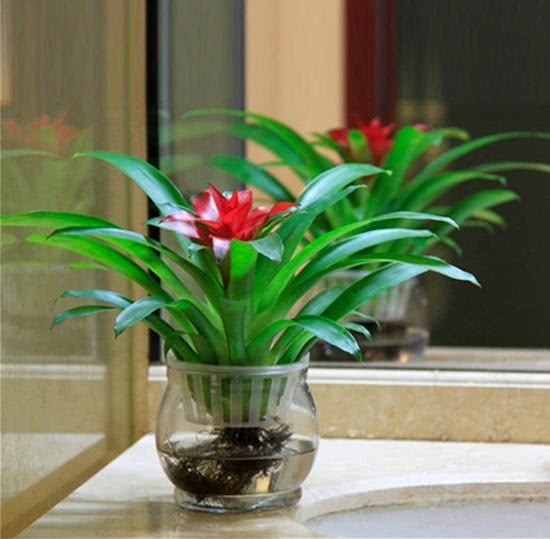
Hydroponic plants look clean and sunny, and are loved by many netizens. Not only can you admire their leaves and branches, but you can also admire their freely stretching roots. However, hydroponic plants are prone to root rot. Today we will discuss the situation of root rot in hydroponics.
I. Judging Root Rot
Many friends have hydroponic plants with root rot without realizing it. If the roots of our hydroponic plants turn black or yellow, feel soft when touched, and the root epidermis easily falls off, this indicates that root rot has already occurred. Also, if the water gives off a smell, somewhat foul, these conditions basically indicate root rot has already occurred.
II. Causes of Root Rot
There are many causes of root rot in hydroponic plants, but the main one is still a problem with the water. Especially in summer, when the temperature rises, the dissolved oxygen content in the hydroponic bottle becomes lower, which easily causes the plant roots to lack oxygen. It may also be because there are residual plant fragments and residual substrate in the water, which easily causes the nutrient solution to spoil and give off an odor.
III. Handling Root Rot
After discovering root rot, take the plant out, put it in clean water and wash off the slime on the roots, then cut off the rotted roots and place it in a ventilated spot to dry. After that, clean the hydroponic bottle thoroughly, replace it with new water, and it is best to change the water once a week. If using tap water, it needs to be left to ventilate for one day in advance to remove chlorine.
The water for hydroponic plants should ideally be below 25°C. Keep the growing environment ventilated and shady. You can appropriately add a little vitamin B12 and small pieces of charcoal to the water, which can play a role in preserving freshness and improving the water quality of the nutrient solution.