Cold-hardy indoor flowers popular in winter and spring: they bloom abundantly even when it is cold
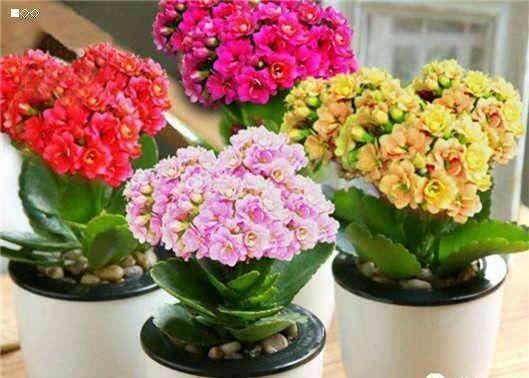
Summer is a nightmare season for flowers, but the plants that looked wilted in summer switch into runaway growth mode once autumn arrives, and the ones that should bloom have all turned into big flower balls; in autumn and winter they actually grow better and better. Below let us take a look at which flowers these are, excellent choices for decorating the home in autumn and winter.
1. Kalanchoe
Kalanchoe's flowering period is around the Spring Festival, making it a very common holiday flower in winter and spring. Kalanchoe generally begins to produce flower buds as soon as early autumn arrives; keep up with water and fertilizer, prune in time, and after October try not to prune anymore. Of course, the first batch of flower buds in autumn is relatively weak, and when they bloom they are sparse, so at this point they need to be cut off, otherwise it affects subsequent flowering.
Also, sprinkle a little bone meal into the pot each month to boost fertility, or use some monopotassium phosphate for fertilizing. At this time, mainly supplement phosphorus and potassium fertilizer, as this can promote flowering; the flower buds later produced by the meristem are the foundation for a full pot of blooms later on.
2. Chrysanthemum
Basically after about a month, chrysanthemums reach their explosive period; small chrysanthemums bloom into balls, and large chrysanthemums bloom into bun shapes. "Wait until autumn comes on the eighth day of the ninth month; after my flowers bloom, all other flowers die." During the growth period of chrysanthemums, pinching the tips is needed multiple times. During the flower bud differentiation stage, spray a monopotassium phosphate solution once a week; chrysanthemums are short-day plants, and daily light must not exceed 14 hours; they can also tolerate -10 to -15°C.
3. Rain lily
The more rain lilies get rained on, the more wildly they grow. After a few rains in autumn, rain lilies bloom even more vigorously, growing in runaway patches that are simply stunning. If you want rain lilies to bloom well, you must pay more attention to the weather forecast. Generally, about a week before rain, reduce watering, then cut off the leaves near the flower buds. After a heavy rain, they can produce many flowers overnight. During bud formation, you can spray a little monopotassium phosphate solution; after flowering, do not fertilize.
4. Christmas cactus
The Christmas cactus's cold tolerance is not that outstanding; it can generally withstand a minimum temperature of around 5°C. To grow a Christmas cactus into a full pot, you need to master three points: water less, prune ruthlessly, and apply light fertilizer frequently. In autumn and winter, it needs to be placed on a south-facing balcony for care. Normally, water it less; before the flowering period, apply a phosphorus-potassium fertilizer about once every 10 days; after the flowers fade, ruthlessly prune off 60%, so that the next burst of blooms will look good.