A Detailed Guide to Making a Small-Leaved Jade Plant Bonsai
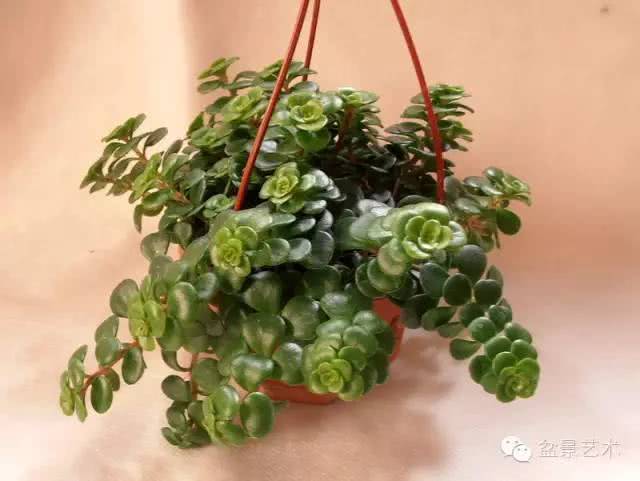
The small-leaved jade plant has a graceful tree form, small leaves and dense branches, a flexible trunk, supple stems and branches, and green leaves on gnarled branches, making it suitable for bonsai. Bonsai cultivated from it are vigorous and elegantly antique, with a distinctive charm.
The small-leaved jade plant is propagated by cuttings. In the growing season, cut 10 cm-long branches, dry them in the air for half a day, and once the cut ends are dry, insert them into sandy soil. No heavy watering is needed; rooting is easy, and at temperatures above 20°C they will root in about 15 days. Once rooted and established as seedlings, they can be planted directly into pots; use fertile soil mixed with an equal amount of coarse sand for the potting soil to aid drainage. During the growing season, apply liquid fertilizer appropriately to help them reach the size needed for bonsai shaping as quickly as possible. When they reach a certain specification, you can simplify according to your own shaping intentions, deliberately cultivate them, and let the earlier cultivation of tree vigor become the foundation for later shaping work.
Shaping: The small-leaved jade plants used for bonsai are all grown from cuttings, and strictly speaking, their shaping should begin during the process of cultivating the stock material. "Stock material" is relatively malleable and suitable for making small and medium-sized bonsai. You can refer to the shaping techniques for tree bonsai to shape them. Because their branches and leaves are relatively sparse, the stems and branches are soft and full of flexibility, and the leaves are round and emerald green, sparsely dotting the branch tips, they are suitable for expressing the posture of a vigorous old tree with sparse shadows slanting across. They are not suitable for expressing the appearance of an ancient tree in the open wild with a lush, verdant crown and dense shade like a canopy. When training and processing the form, wiring should be the main method and pruning supplementary; through cutting and reasonable retention of branches, cultivate the tree's framework, then use wiring to bend branches and shape foliage pads, thereby completing the bonsai shaping. Bonsai forms suitable for shaping the small-leaved jade plant include the formal upright style, slanting style, curved-trunk style, cascade style, and exposed-root style. In addition, they can also be made into group planting style, root-on-rock style, and similar types of bonsai. Specifically, when potting, first determine the momentum according to the material and carry out shaping pruning, retaining the needed branches and necessary buds for shaping. At the same time, determine the planting method in the pot according to shaping needs (planted upright, slanting, or inclined, and it can also be treated in the exposed-root style), then plant it in a cultivation pot. After a period of cultivation, enter the wiring stage. Aluminum wire is best for wiring; in the growing season, it can be done as long as the branch thickness reaches 0.5 cm. Before wiring, control watering; as long as the leaves are not wilting, the drier the better, to increase the flexibility of the branches and trunk and reduce brittleness. When wrapping, keep close to the bark and proceed at a 45-degree angle, and do not damage the branches and leaves. After the metal wire is wrapped, use both hands together to bend the branches and gently twist them in the direction of the wrap to meet the shaping requirements.
Through the above steps, a pot of small-leaved jade plant bonsai has already taken on a "prototype." After that, further strengthen the cultivation of local foliage pads and the overall crown, and continuously improve the shape.
Care and management: The small-leaved jade plant likes sunlight and prefers warmth and dryness; it should not be exposed to direct sunlight, is drought-tolerant and afraid of waterlogging, has very few pests and diseases, and is simple and rough to cultivate and manage. It can be placed indoors for long-term display, but attention should be paid to ventilation and light transmission. In summer, shade it appropriately, and in winter move it into a greenhouse for care. During the growing season, apply liquid fertilizer appropriately. For daily watering, wait until the soil is completely dry before watering, mainly by withholding water, to prevent excessive growth of stems and leaves and maintain the tree shape. Repot once every 3-4 years.