Clivia: Master 3 techniques after National Day for symmetrical leaves and flower spikes in 60 days
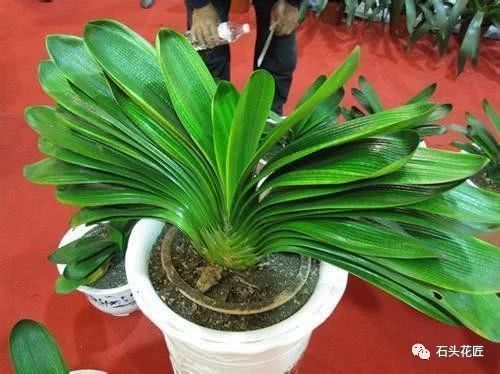
After "National Day", use 3 techniques when caring for clivia, and 60 days later it will grow symmetrical leaves and send up flower spikes
Clivia is a very popular household flower. Keeping it at home makes it not only a beautiful foliage plant, but clivia will also produce bright, large flowers every winter. Clivia goes briefly dormant during the high temperatures of summer each year, and only wakes up in autumn. Autumn is also a period of rapid growth for clivia, so autumn care requires particular attention to techniques and methods, so that the plant can grow quickly in autumn, store nutrients, and produce beautiful flowers in winter.
With the arrival of the "October 1st" holiday, the weather is gradually turning cooler. For caring for clivia, there are 3 small techniques you must pay attention to, so that it grows emerald-green symmetrical leaves, has sufficient nutrients, keeps a beautiful overall plant shape, and can send up flower spikes.
Add soil to the clivia pot
Especially in the north, with the arrival of National Day, the weather is gradually turning cooler, and it is no longer very suitable to repot or change the soil for clivia. For gardeners who have not yet gotten around to repotting or changing the soil for their clivia, it is best not to dig the clivia out of the pot and then repot it or change its soil! To be safe, you can dig out the top half of the soil in the clivia pot without moving the root system, and then fill the pot with your own mixed soil; it is recommended to use 1 part river sand, 1 part garden soil, and 2 parts humus soil, mix and stir them, then fill the pot. This method of adding soil can avoid the risk of root rot and death caused by repotting, and can also effectively supplement nutrients for clivia growth.
Supplement fertilizer for clivia
Autumn is a period of rapid growth for clivia. Besides repotting, changing the soil, or adding soil, you also need to give it extra fertilizer. In autumn, it is recommended to mainly use compound fertilizer or nitrogen fertilizer. You can add quick-acting compound fertilizer, fermented soybean fertilizer, or nutrient solution to the pot once a week, but be careful to apply thin fertilizer frequently to prevent overly concentrated fertilizer from burning the clivia's roots. After autumn ends, you need to spray the clivia leaves with a 0.2% potassium dihydrogen phosphate aqueous solution once a week. This can effectively promote the development of clivia flower buds, that is, promote the later emergence of flower spikes and the opening of flowers.
Place the potted clivia in an east-west direction
Many gardeners, when caring for clivia, encounter irregular leaf growth, with leaves growing in different directions. In fact, this situation is closely related to the placement method used in daily clivia care. According to the placement method shown in the picture, place the two sides of the clivia leaves in an east-west direction. This allows the leaves of the whole plant to receive even light from the south. Every week, rotate the pot 180 degrees. This way, the clivia that grows will have neat leaves, with both sides facing the same direction, and the whole plant will grow symmetrically. At the same time, increasing light in autumn can also promote clivia photosynthesis, speed up plant growth, promote rapid flower bud development, and produce flowers in winter.
Regarding these three small techniques for clivia care in autumn, please like, follow, and forward below to more friends!
I am [Stone Gardener], and I share knowledge every day. Remember to follow me.