Add a few of these to the pothos pot: long-lasting fertilizer, oily green leaves
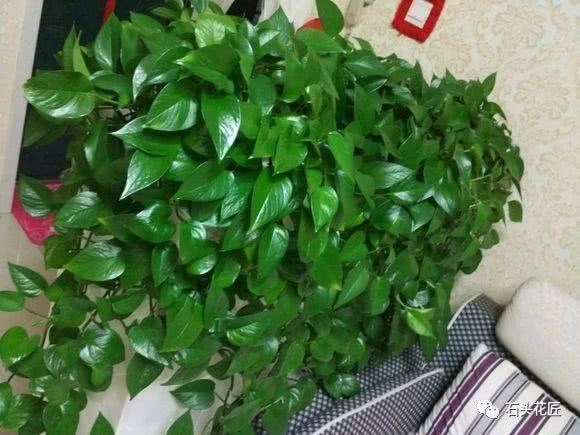
Pothos (Epipremnum aureum) has become a common household flower. Every household keeps one pot, or even several pots, of pothos at home. Especially in newly renovated homes, owners place pothos in every corner, as it can effectively absorb harmful substances such as formaldehyde and toluene left over from renovation. So pothos is already a very popular household flower.
Pothos loves "it": add "a few" to the pot for long-lasting fertilizer, leaves oily green
Pothos can not only absorb harmful substances such as formaldehyde and toluene, but it is also a very easy flower to grow. I believe flower lovers who have grown pothos know that pothos is the easiest to keep alive among all household plants. Although pothos is easy to grow, if you want to grow it well, you still need to manage water and fertilizer. First, pothos is a plant that likes moist soil, so during care you can grow it in a pot with soil, or you can grow it hydroponically. I should say pothos is also a plant that loves fertilizer very much, because its root system is very developed, so during care you need to keep supplementing fertilizer, so that pothos can grow glossy, emerald-green leaves.
Home care methods for pothos
Generally, when caring for pothos at home, first place it in a ventilated spot, so pothos can quickly send out new shoots and grow new leaves. Of course, you can also grow pothos in places with poor conditions, but you cannot leave it there long term; you need to move the pothos pot to a spot with good light once a week to adjust it. Generally, when caring for pothos, just water the pot thoroughly, watering each time by the principle of "dry then wet," and regularly supplement fertilizer in the pothos pot. Of course, in daily care also pay attention to observing the root system and pests and diseases. Once root rot occurs, prune and treat it promptly, and even repot and change the soil. If pests or diseases appear, promptly apply the right remedy and spray insecticide.
A simple fertilizing method for pothos: add a few soybeans to the pot for long-lasting fertilizer
Pothos is a foliage plant, so it has a very high demand for nitrogen fertilizer. The soybeans in the home kitchen are rich in protein and contain very abundant nitrogen. The simplest way to fertilize pothos is to boil the soybeans in a pot, let them cool, use chopsticks to poke a few holes around the edge of the pothos pot, then put 3-5 boiled soybeans into each hole and cover them with soil, letting the soybeans naturally ferment in the pot to produce nutrients for the pothos roots to absorb. This fertilizing method is very simple, and the soybeans ferment into organic fertilizer with very rich nutrients, which can provide nutrients to pothos for a long time. Generally do this once every six months, and you do not need to apply other fertilizers to pothos.
Of course, in daily flower care, you can also choose quick-acting compound fertilizer, urea and other inorganic fertilizers, but adding inorganic fertilizer to flower pots over the long term easily causes soil compaction. If you can repot and change the soil every year, you can choose inorganic fertilizer. Of course, it is recommended that flower lovers who have the conditions apply organic fertilizer to their household flowers, because after all organic fertilizer is full, long-lasting and comprehensive in effect, and more conducive to plant growth.
Of course, you can also put this kind of boiled soybean into the pots of Clivia (Clivia miniata), spider plant (Chlorophytum comosum), kalanchoe (Kalanchoe blossfeldiana) and snake plant (Sansevieria trifasciata), and it can likewise provide rich nutrients for their growth. Flower lovers who like it should try it quickly. If you find it useful, please like below, follow, and forward it to more friends.
I am [Stone Gardener], sharing little flower-growing knowledge every day. Remember to follow.