Don't use old soil for plants directly; 4 little tricks to keep potting soil clean, pest-free and disease-free
After summer, many flower lovers have lost a lot of plants, leaving plenty of empty pots! As autumn temperatures gradually become suitable, many flower lovers choose to buy a few more plants and use the original flower pots to grow them. I believe most flower lovers directly plant the newly bought flowers into the old potting soil in the old pots. Actually, this practice is not good, as it can easily pass on the diseases of the originally sick or dead plants to the newly bought flowers. Let's take a look!
“
Using old soil for plants
In our daily lives, there are many sources of flower soil. Some is old soil left over from plants that died from pests and diseases during the process of growing flowers, some is old soil left over from flower pots, some is flower soil we dig ourselves outdoors, such as leaf mold, pine needle soil and so on, and some is purchased flower soil.
-Don't use disease-carrying soil for plants-
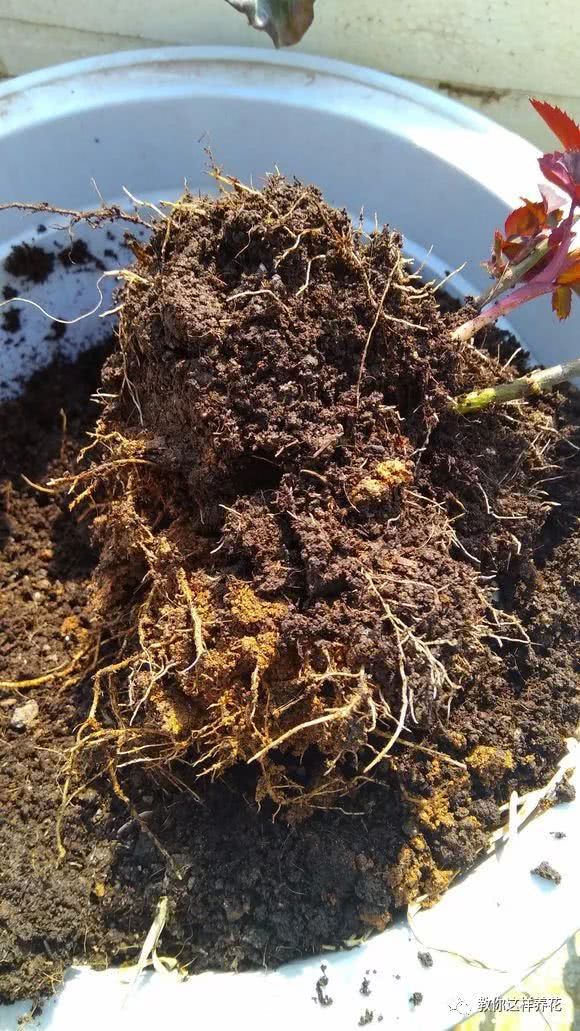
If it is old soil left over from plants that got sick, it is recommended not to continue using it, because one careless move may infect new plants, and the loss outweighs the gain. For example, rose root nodule disease, known as the cancer of roses, can infect other plants. So if you find that the old soil is from a plant that died of disease, don't use it, dump it all out together, and the flower pot should also be disinfected by sun exposure or other methods.
-Old soil from repotting can be used-
If it is soil left over from normal repotting, it can continue to be used. Most flowers need a soil change every 1-2 years. Besides the plant gradually growing larger and the roots filling the pot, the nutrients in the potting soil are gradually used up, and the leaves will turn yellow, become thin, and even drop due to insufficient nutrient supply. Most importantly, the particles in the soil break down, which greatly affects aeration and drainage, causing problems for new plant roots such as poor breathing or being unable to extend.
-Problems with external nutrient soil-
Whether purchased or dug yourself, it is all external nutrient soil. Since you don't know whether it contains pests, diseases or insect eggs, it is better to treat it before use, just like old soil.
Especially for flower lovers who dig their own soil, some leaf mold dug outdoors is indeed nutritious, loose and breathable, but it contains more pathogens and insect eggs. If not killed first, it is very likely to infect the plants at home.
-Little tricks for treating flower soil-
Therefore, before using any flower soil, it is best to sterilize and disinfect it first. Using it after that is the safest. Below are several common methods for treating flower soil.
First, sterilization by sun exposure. Spread the flower soil out and expose it to the sun for a few days. Many of the insects and pathogens in it will be reduced, and if there are no pests or diseases, the root system will be very strong.
Second, disinfect and sterilize the flower soil by mixing in medicine. You can mix some soil insect granules or other insect medicine, and a small amount of carbendazim or chlorothalonil into the flower soil. After mixing, tie it up and put it in the sun to bake. Pests will be dealt with very thoroughly.
Third, you can scald it with boiling water. This is suitable for relatively clean media, such as river sand, vermiculite and other media used for cuttings. They themselves contain few bacteria, and scalding them with boiling water is simple, convenient and quick.
Fourth, you can heat it in an old microwave. If you have an old microwave at home, it can be used for sterilization and disinfection. Under conditions of high temperature and high-dose radiation, pathogens and pests are almost 100% killed, and the effect is very clean, though it is a little troublesome.
-Use of old soil-
After treatment, the old soil can be mixed with new leaf mold, granules and organic fertilizer. The general ratio is: 2 parts old soil, 1 part new peat soil or leaf mold, 1 part granular soil, then add an appropriate amount of slow-release fertilizer or decomposed organic fertilizer and mix well.
In this way, the old soil is put to use. Generally speaking, the more mixed the soil sources, the better. Coconut coir, perlite, cow and sheep manure, wood shavings and so on can all be mixed in, and used for growing flowers just as well as new soil!
4 little methods for treating flower soil
Insects and diseases all gone
See which one suits you!
Show it to flower lovers who need it!