Don't Throw Away Kitchen Grease as Garbage - Pour It into Flower Pots and Watch the Flowers Explode into Bloom
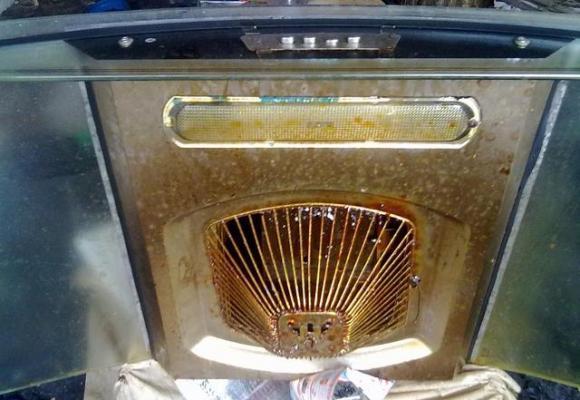
The "grease" in the kitchen is really a headache. We usually clean it up because it's unpleasant to look at, but it has another use - for growing flowers. Don't treat it as garbage. Pour it into flower pots and the leaves will be lush green, and the plant will easily explode into a full pot! It contains many nutrients and trace elements. However, be careful not to use too much at once - it can only be used once every two months.
The pothos and spider plants at home easily develop yellow leaves, and this trick can solve that problem. It's essentially recycling waste with multiple benefits. What are the specific requirements? It's very simple to use - you can pour it directly along the edge of the pot, or dig small holes every 3-5 cm in the potting soil and pour the waste oil in. If you're worried about the grease getting on your hands, you can wear gloves.
When the cool autumn arrives, this season is actually the peak growing season for pothos, and its growth rate is very fast. Pothos is absolutely one of the easiest plants to grow. Pothos has extremely strong vitality - as long as you give it enough nutrients and soil, it will thrive even if you ignore it. With just a little attention, you can take good care of your pothos.
Although pothos is extremely easy to care for, many people still manage to kill it. What's going on? The main reason is improper watering. Watering too frequently can easily cause root rot and death in pothos. For pothos kept indoors long-term, after a thorough watering, it's best to take the pot outside to get some sun if conditions allow. Additionally, pothos has fleshy roots, so a small amount of water deficiency won't cause problems. Besides watering, you can also use a spray bottle to mist the leaves in the morning and evening to keep the leaves glossy and growing vigorously!
In autumn, flower enthusiasts will inevitably grow some spider plants. Spider plants can be kept year-round in bright indoor spots for viewing. Except in winter, they can also be placed in suitable outdoor locations during other seasons. In spring and autumn, partial shade is best. In summer, they should receive light in the morning and evening, avoiding direct strong sunlight at noon. In winter, they need more sunlight, and the overwintering room temperature should be above 5°C.
Spider plants like warmth and humidity. During spring and autumn when temperatures are between 20 and 24 degrees, spider plants grow fastest and need more water. If the ambient air is dry, it's best to spray water to increase humidity, and wipe the leaves weekly - this will absolutely add to the spider plant's lushness. Spider plants can be propagated by division. Except when winter temperatures are too low for division, it can be done in any other season. For plants potted for 2-3 years, during spring repotting, remove the dense clumps, shake off the old potting soil, divide into two to several clumps, and pot them separately as new plants.
This is a gathering place for flower enthusiasts, sharing flower care tips. Welcome to follow and exchange ideas.