Taiwan-Japan Regional Revitalization Exchange: Unique Charm Sparks Resonance, Stimulates Industry Potential
Facing the crisis of rural population loss and aging, industries are moving into local areas, hoping to coexist and prosper with localities in different ways. In the Japanese case of "Satoyama Jujo," the charm of Niigata wins resonance through a hotel; while Taiwan's The Stay Making transforms the old Shangri-La amusement park, injecting vitality through art and culture; Yuan Tai Bamboo Art's young people return home to revive the bamboo industry, and the unique charm of localities is gradually being valued.
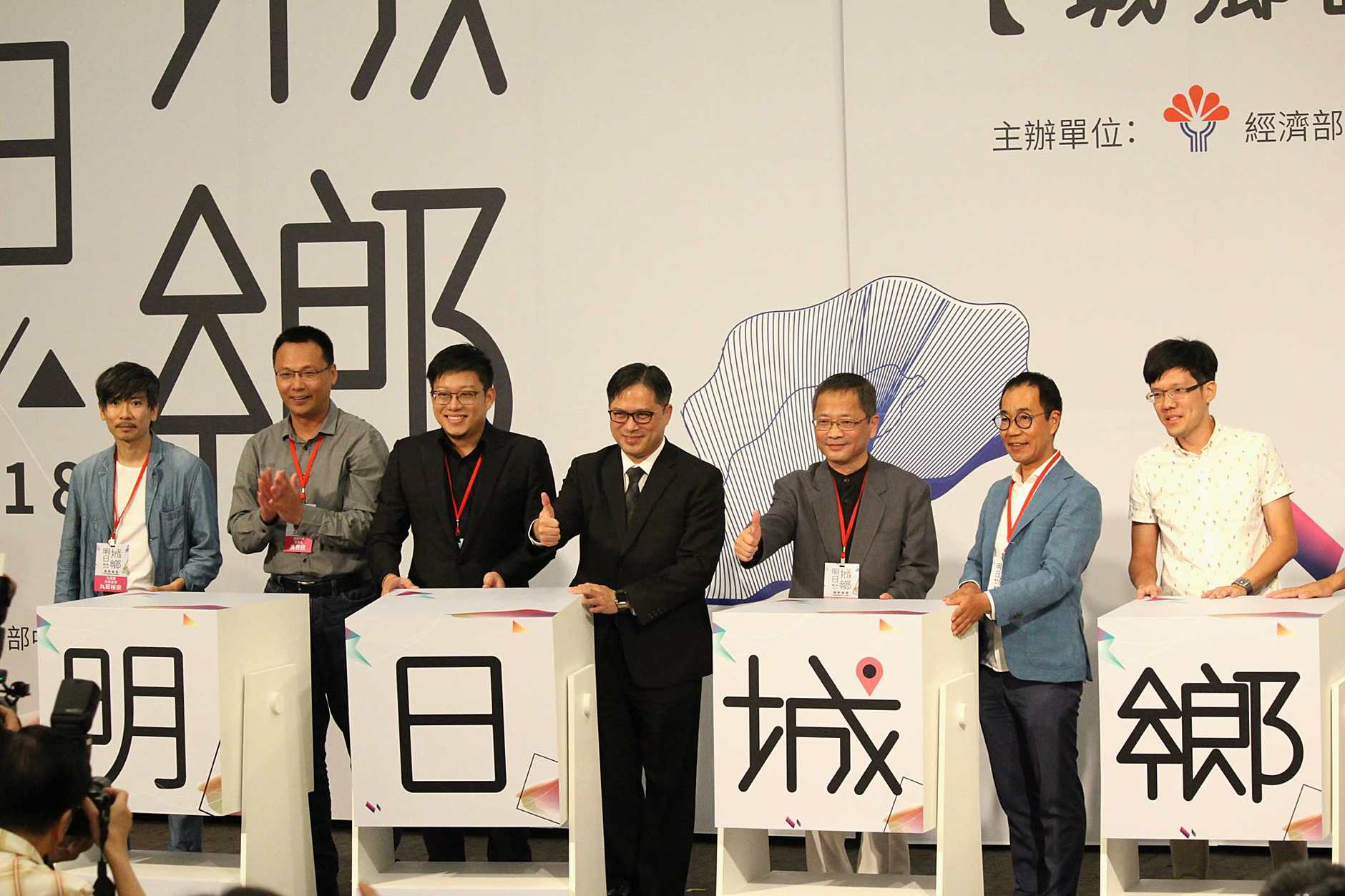
The Corporate Synergy Development Center recently held the Tomorrow's Urban-Rural Trends Forum, inviting Taiwan and Japan-related professionals to share regional revitalization experiences. Wu Ming-chi, Director-General of the Small and Medium Enterprise Administration under the Ministry of Economic Affairs, stated that localities have beautiful mountains and waters but face population outflow and stagnant industries. Taiwan's future should not only focus on economic growth but also take regional revitalization into account. Meanwhile, Hsieh Ming-ta, Chairman of the Corporate Synergy Development Center, pointed out that regional revitalization differs from past community building and rural regeneration in thinking, with industrial revitalization being a key factor. "Revitalization requires the efforts of several generations; there is no fixed answer to how to do it. Drawing on Japanese cases for reference, through continuous efforts from the central government, localities, and industry."
Xiangpu: The livestock industry must also convey agricultural value
Beyond revitalizing declining industries, how to communicate so that outsiders value them is also key. Wu Chi-heng, Chief Operating Officer of Xiangpu Enterprise, stated that every industry has its value, from pig farming, pig feed, and slaughtering, each has its professionalism. Therefore, the "Jiu Hao Zhu" brand was founded, hoping to create a pork brand that Taiwanese people can be proud of, elevate the socioeconomic status of agricultural producers, and operate the livestock industry with a sustainable attitude.
"Everyone wants to eat pork, but no one wants a pig farm next door. Pig farms can only go to remote areas. If localities have no attractive industries, then what exactly will rural areas develop in the future?" Wu pointed out that Taiwan's livestock industry is shrinking, agricultural product consumption is declining, and imports are increasing. Having been with the company for over ten years, he has seen that livestock farmers have no social value and are not valued. But when practitioners complain that no one understands agricultural value, they must also take responsibility themselves. Without communication, natural value will not be understood. Taiwan has no platform to learn these craftspeople's stories.
Wu Chi-heng established a pork cutting factory in Yunlin and built an agricultural cultural and creative hall, "providing a communication space, welcoming anyone, whether curious, doubtful, or distrustful, to enter the space and understand." Seeing the world from the pig's perspective, what kind of life it lives, from artificial insemination, piglet birth, to market, while also installing a transparent ceiling so visitors can clearly see the pork cutting process.
The pig farm also invests in the circular economy, recycling pig manure for compost and power generation, allowing the pig farming industry to develop sustainably and redefining industry value. Wu Chi-heng emphasized that if production value is not seen, there can only be price-cutting competition, leading to decreased food quality and environmental pollution. "What I want to say is, food is hard-won. Many people in this food chain are working hard. Without agriculture, where would rural areas be?"