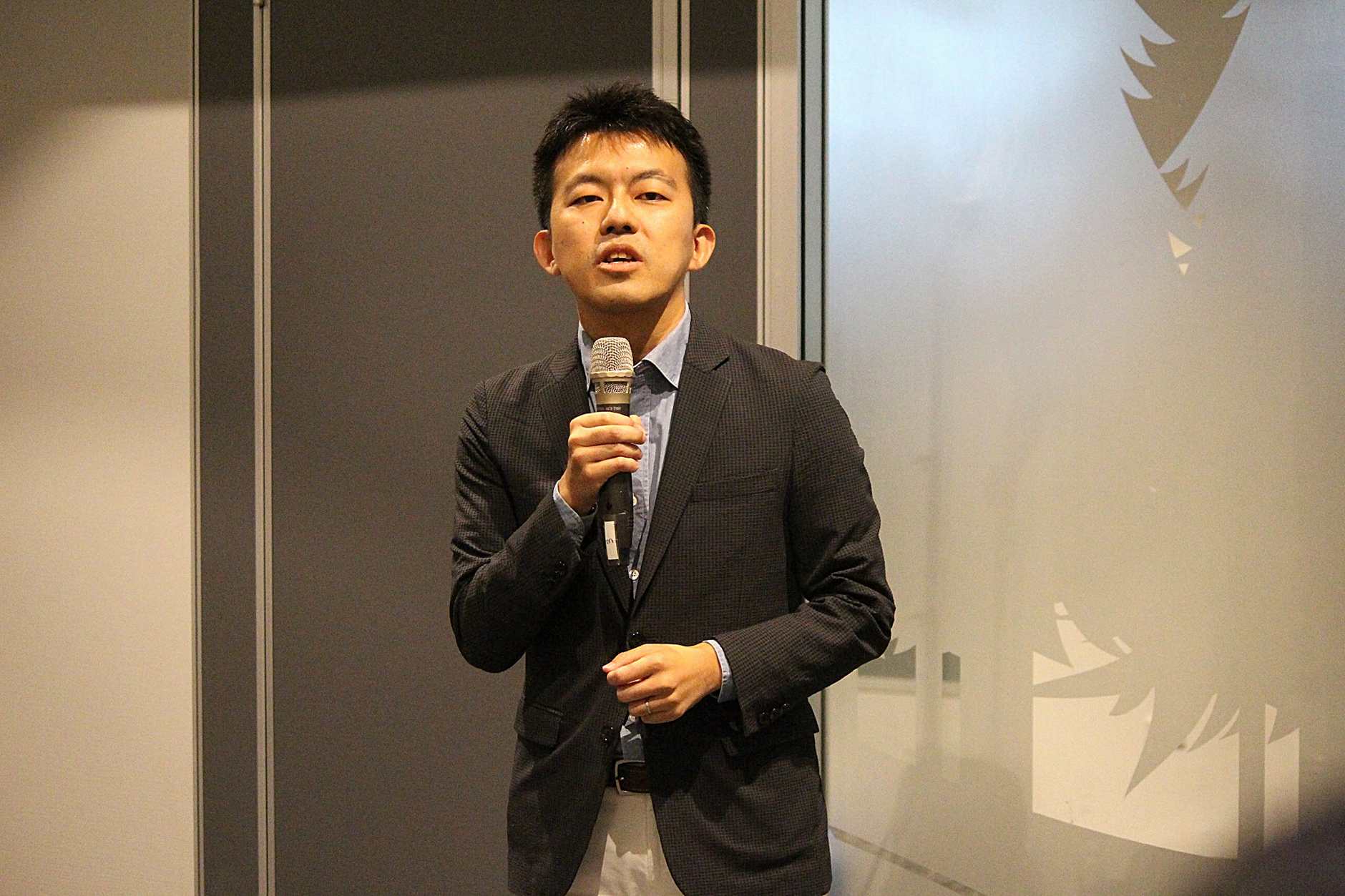
Japan Shopping Street Placemaking: Chiaki Kinoshita on Squandering Effort on Unprofitable Ventures for Subsidies
After the Executive Yuan designated next year as the inaugural year of placemaking, the clarion call for placemaking has officially sounded, and localities are looking to past experience to find their connection with placemaking. Whether it is rural value, population revitalization, industrial revival or cultural renaissance, each carries important meaning. Taiwan has also continued to learn from Japan, which has achieved success in placemaking. On the 29th, The News Lens invited Chiaki Kinoshita, who has long promoted placemaking in Japan and serves as representative director of Area Innovation Alliance, along with Masataka Murase and Mikio Kuma, who have hands-on experience in spatial renovation and shopping street operations, to speak in Taiwan, discussing placemaking from the perspective of revitalizing local shopping street economies.
Chiaki Kinoshita began participating in the revitalization of local shopping streets in Japan during high school, using summer and winter vacations to visit shopping streets across the country and even travel as far as cities in Europe and the United States for field study. "I found that the most fundamental problem with local shopping streets is that they do not use their own real revenue to operate. When it is not enough, they ask the government for subsidies, but once you take money from the government, you cannot stop."
"To get subsidies, localities spend their energy on things that do not make money at all."
"I think giving subsidies to localities feels like taking drugs." Chiaki Kinoshita explained that when a locality receives a government subsidy, it discovers during implementation that it cannot continue, so it can only ask the government for money again, forming a vicious cycle. Japan's central government allocates 16 trillion yen per year to localities, while Taiwan's annual budget is about 6 trillion yen. "Local thinking has always been about how to get subsidies." For example, to attract 120 people to come to an area, they have to apply for more than 30 million yen. This is a case of losing money.
"To get subsidies, localities spend their energy on things that do not make money at all." The local population keeps declining, yet they still spend so much time and budget on unprofitable things, and the result is that localities become poorer and poorer. "Many people think they cannot get things done precisely because they have no money, but they do not think about how much they can do with the resources they have." He emphasized that one must calculate how much content to put in based on how much budget there is, rather than constantly overusing it, and through mechanisms make profits and reinvest them, so that this cycle can make the locality prosperous.