How to get good results in recuperating from hypotensive shock pneumonia
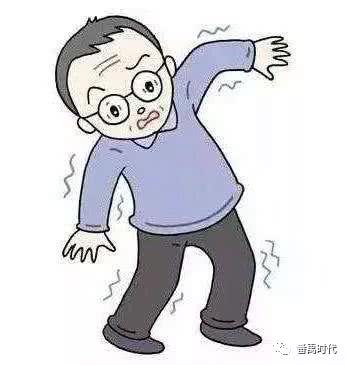
Low blood pressure is not a factor that directly causes shock pneumonia, it is only a secondary factor, but often, this factor can become the "fuse" that triggers a chain reaction. So patients who have long had low blood pressure, have reached middle age and also have chronic bronchitis, emphysema or heart disease must also do a good job of recuperating from low blood pressure, lung disease and heart disease. This is because shock pneumonia occurs mostly in patients over 40 years old who have long had chronic bronchitis, emphysema or heart disease.
Shock pneumonia in people over 40 years old accounts for three quarters of shock pneumonia cases, and mostly develops as a severe progression in patients who have long had low blood pressure, chronic lung disease or heart disease. If you often feel listless after getting up in the morning, have difficulty concentrating, tire easily, often feel dizzy and have tinnitus, and have a poor appetite, you may have hypotension and should seek medical attention promptly for a diagnosis. If it is only low blood pressure, there is no need for treatment, but you should take care of your health in daily life.
If chronic diseases such as chronic lung disease are also present, then on the basis of lifestyle conditioning you should actively treat the chronic disease and the hypotension, otherwise these will affect each other and may one day act together to bring on the serious disease of shock pneumonia. Specifically, to condition low blood pressure in daily life, you should strengthen efforts in many aspects such as daily routine and outings, nutrition and exercise. Also keep a blood pressure monitor at home, measure your blood pressure often, and pay attention to changes in blood pressure.
Balancing work and rest and getting good rest are the first priorities for patients with low blood pressure. If you are overly tired or sleep too little, your blood pressure will drop. You should establish a regular, orderly set of living habits, and you must not overwork or stay up late. When sleeping, the pillow should not be too low. Taking hot baths often can enhance blood circulation and improve the symptoms of low blood pressure. Keep the bath water temperature at around 43°C, and after bathing for 3 minutes you should rest for a while, and after the bath rest fully.
In daily life, you must not get up suddenly when rising from bed; your clothing and the ambient temperature should be in step. If you wear a tie, it must not be too tight, and you should wear fewer high-collared and overly tight clothes, so as to avoid pressing the carotid sinus and causing a sudden drop in blood pressure and fainting. Do not stay for long periods in a stuffy, hot environment, otherwise the blood vessels tend to dilate and blood pressure to drop. Avoid standing for long periods and suddenly changing posture. When bending down to pick something up, do not bend your head down directly; instead squat down first, and when getting up make sure you are balanced before slowly standing up.
Nutrition is very important for low blood pressure. If nutrition is insufficient, blood pressure will be even lower. Persisting long-term in strengthening nutrition helps blood pressure return to normal, and the uncomfortable symptoms then disappear. You should eat more nourishing foods such as ginger, longan, red dates, walnuts, ginseng, Schisandra chinensis, Chinese yam, lily and honey, which help improve the phenomenon of low blood pressure. Eat less of blood-pressure-lowering foods; do not often eat blood-pressure-lowering and diuretic foods such as celery, winter melon, mung beans, hawthorn, bitter melon, onion, radish and kelp. Adding a little table salt to increase the salt content in the body can raise blood pressure. Patients with low blood pressure who take an appropriate amount of about 12 grams of table salt each day can improve the symptoms of low blood pressure.
You should exercise often, which can regulate the nervous system, strengthen blood vessel function and improve the symptoms of low blood pressure. If you are a patient with orthostatic hypotension, you must be selective about the types of exercise, and must not choose sports that involve standing for long periods or too many changes in posture. For patients with chronic diseases such as chronic lung disease, before deciding on an exercise program, first have a physical examination, choose the program in light of the chronic disease, and it is best to choose the program and exercise under the guidance of a doctor and a health care specialist.