When you go out during the National Day holiday, pick up some of this; it works 10 times better than nutrient soil, and mixing it into flower pots makes plants grow vigorously
"During the National Day holiday, pick up some of this when you go out; it works 10 times better than nutrient soil, and mixing it into pots makes plants grow 'whoosh whoosh.'"
As people's living standards improve and get better, more and more people like to keep some flowers and plants at home. They can not only decorate the room and make the home warm and cozy, but also purify the air, which is greatly beneficial to the family's health. As the variety of flowers grown increases, naturally more flower pots and soil are needed to plant them.
It is now autumn, and the National Day holiday is coming soon. For friends who grow flowers, when going out, you can look for these 3 common oxidized planting materials. After bringing them back and processing them through later fermentation, they will become very good soil for growing flowers.
Leaf mold
If you go to the countryside or the mountains during the National Day holiday, leaf mold is very common. It is an organic soil formed from fallen leaves piling up under trees and undergoing years of wind and rain and natural fermentation. Because it ferments under natural conditions, this soil is rich in various nutrients. Using it to grow flowers is not only loose and breathable, but also nutrient-rich; it can also be mixed with other planting materials and fermented again, which will make it a very fertile nutrient source.
Pine needles
Friends who love growing flowers surely know that a very popular flower-growing soil on the market now is called pine needle soil. It is made by processing pine needles, the leaves of pine trees, through later fermentation to become pine needle soil for growing flowers. In fact, pine needles are very common around us in daily life. You can pick some up under pine trees in parks or under pine trees in forests and take them home, then place them at the bottom of flower pots when growing flowers. They can serve as nutrients for later plant growth and also play a role in loosening the soil and making it breathable. Of course, you can also process and ferment the pine needles you bring back, which is very good for growing other flowers and is nutrient-rich.
Okara (soybean dregs)
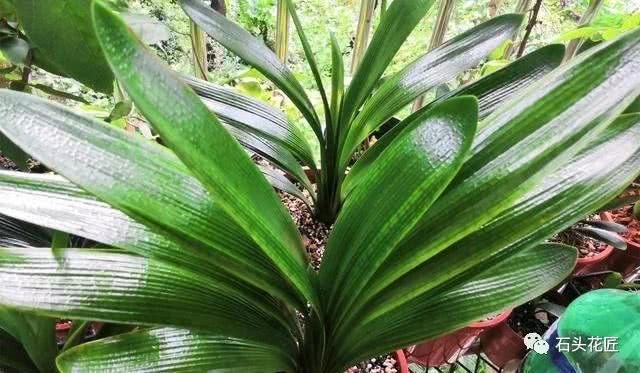
Okara is also very common in daily life. Generally, the tofu we eat is made by grinding soybeans, filtering, and then making tofu; the remaining residue is okara. Okara is rich in elements such as nitrogen, phosphorus, and potassium, especially nitrogen, which is very abundant. It works very well for growing flowers. You can fully ferment the okara through later processing and mix it with other soil to grow flowers. In particular, common household plants such as spider plant, clivia, and pothos, which like fertilizer, especially love okara fertilizer.
Of course, the best way to handle it is to bring back the leaf mold, pine needles, and okara, mix them together, put them in a bag, and place it outdoors to fully ferment for two weeks. Using this fully fermented fertilizer to grow flowers provides very good nutrition. It saves money and has sufficient fertilizer effect, much better than the nutrient soil bought from the market.
If you like it, please like, follow, and forward it to more friends below!
I am [Stone Gardener], and I share little gardening tips every day. Remember to follow me.