After autumn begins, if you don't do these two things for your clivia, new leaves won't grow and it will be even harder for it to bloom
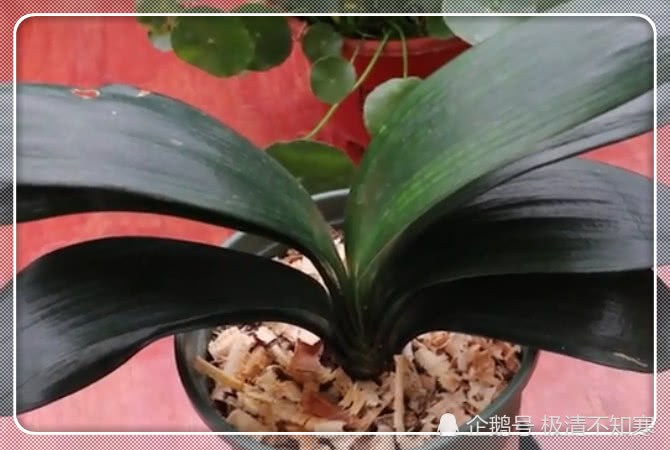
Clivia (Clivia miniata) is elegant and distinctive, with outstanding grace, and is deeply loved by flower enthusiasts. But many friends are puzzled: why, even after autumn has arrived, has the clivia still not bloomed? Today we'll talk about how, after autumn begins, to make clivia grow leaves and bloom. The first thing we need to do is change the soil in the pot.
Because the heart dies and it becomes more slender, it grows relatively fast, and the nutrients in the potting soil will quickly be used up. And the consequence of nutrient depletion is that not only will the clivia fail to grow new heart leaves and bloom, but even the original leaves may turn yellow. So the frequency of soil changing for adult clivia should be once a year.
Clivia seedlings should instead be repotted twice a year. A well-prepared nutrient soil, or leaf mold and fine river water in a 4:1 ratio, are both good choices. It is worth mentioning that watering should be stopped seven days before changing the soil, and after changing it, the potting soil should be firmed down and watered thoroughly.
The second thing is fertilizing. Autumn is exactly the growing season for clivia, and its fertilizer needs are relatively large. We can use specialized flower fertilizer, or bury peanuts and soybeans rich in nitrogen, phosphorus, potassium and calcium in small holes around the flower pot, so as to ensure the clivia gets abundant nutrients.
Alright, that's all for this article. Friends who find it useful can click to follow and share. See you next time.