With 3 things done right, a clivia will thrive; neglect the second one and the roots rot easily
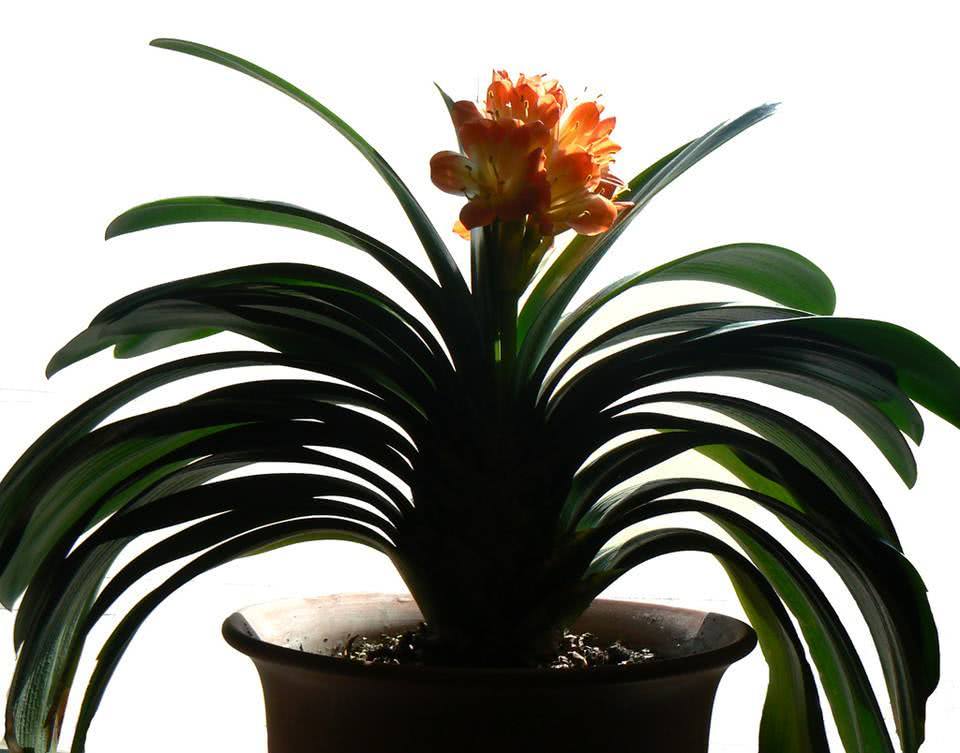
Today I'm once again introducing a potted plant that is fairly common in homes yet not so easy to grow well. This potted plant has a very elegant name: clivia (Clivia miniata)! Clivia is highly ornamental, especially when it blooms; the flowers are not vivid in color yet create a fine visual effect, blooming in clusters, with a variety of flower colors, and clivia also has a very long lifespan, generally reaching 30 years. Clivia is even the city flower of Changchun City!
Caring for clivia can be described as very simple, yet also not simple. If clivia is planted in a courtyard rather than in a flowerpot, it needs very little care; however, once it is brought indoors, a few points need attention.
First is watering. Watering flowers is something everyone knows about, but how to water and how much water to give is a great art. Clivia must not be given too much water at once; just moisten the soil, because clivia needs the soil to be breathable. If too much water is given, the moisture in the soil does not evaporate easily, which makes the soil less breathable and easily causes the clivia's roots to rot.
Clivia needs its soil loosened, in case you didn't know. Loosening the soil is also done for breathability, but some people put a few earthworms in the pot, thinking that the earthworms burrowing around in the soil can loosen the soil for the clivia. Actually, this is not good. Because earthworms bore holes in the soil, they leave trail after trail like tunnels in the soil, and since earthworms themselves have a layer of mucus on their bodies, they do not actually loosen the soil. So when it comes to loosening the soil, it's still best to rely on your own hands.
Finally, clivia fears strong direct sunlight, so at noon when the sun is scorching, it is best to move the clivia to a cool place indoors.
Alright, that's all for today's introduction. Friends, feel free to leave your suggestions and opinions in the comments section! If you have any views, you can also share them in the comments! Thank you, everyone!