Put this at the bottom of the Clivia pot, and Brother Wang's plants all burst with blooms
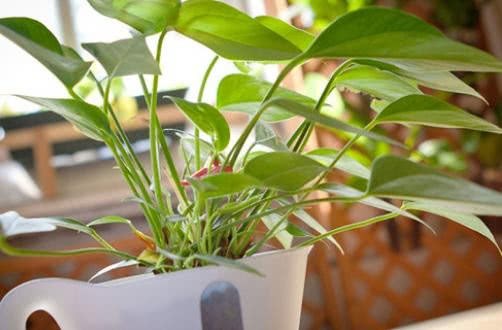
Growing flowers takes skill. Many times, even when we care for our beloved plants at home the usual way, we still can't avoid yellowing leaves and root rot. That's when many clever flower lovers think of watering with fermented soybean water to add nutrients, or using willow branch water to help with rooting.
These methods are all quite effective for growing flowers, but when it comes to the Clivia, the "king of hard-to-grow" in the flower world, sometimes even with these little tricks there is still no sign of blooming. Huahua's neighbor, Brother Wang, is a flower-growing expert. Every Clivia he grows has glossy leaves and blooms abundantly. When asked about his secret recipe, it turns out that simply putting a little "something" at the bottom of the pot solves the problem.
Flower lovers who grow Clivia know that its roots are fleshy roots and need plenty of fertilizer to thrive, but ordinary potting soil can't provide enough nutrients, and that's when you get no blooming or yellowing leaves. At this point we can choose to put some sesame oil residue at the bottom of the pot. Because sesame oil residue contains a large amount of oil, it is perfect for use as fertilizer, and it can supply the base fertilizer Clivia needs to grow.
We can buy a little from a place that sells sesame oil wholesale, or buy it online; this sesame oil residue is fairly cheap. Once we get the sesame oil residue, first we need to let it bake in the sun for half a month, to sterilize and disinfect it. The dried sesame oil residue needs to be broken into pieces before use. We put the pieces of sesame oil residue at the very bottom of the pot, then add soil on top. It's said that with this kind of care, Clivia can bloom twice a year.
If you want your Clivia to grow well, you naturally can't slack off on daily care either.
When caring for Clivia, pay attention to its phototropism, which means we need to move it to a different position from time to time, so that the Clivia grows symmetrically and looks nice. When Clivia is in its flowering period, watering needs care: water the roots, and don't let water sit in the pot. If you're worried about getting the amount right when watering day to day, you can use a spray bottle to mist the leaves and increase humidity.
For watering Clivia, it's best not to use tap water directly; you can collect some rainwater or let tap water sit and evaporate a bit before watering the Clivia. Summer is the hardest season for growing Clivia; be sure to place it somewhere ventilated, increase the humidity, and fertilize as little as possible. In winter, when temperatures are low and evaporation is slow, water less, and be careful not to splash water into the center of the leaves, to avoid rot.
Once Clivia has grown to maturity, it needs to be repotted with fresh soil once a year, and repotting is best done in spring or autumn. When repotting Clivia, be careful not to damage the roots; you can trim away any rotten roots as appropriate, which will ensure the Clivia's later growth.
Clivia may be hard to grow, but as long as you put in the effort, you can still see the beautiful sight of it blooming. Flower lovers who grow Clivia need to be patient, and remember to keep an eye out for little care tips in daily life!