4 clever tips for leaf-propagating succulents, so they grow full of vitality
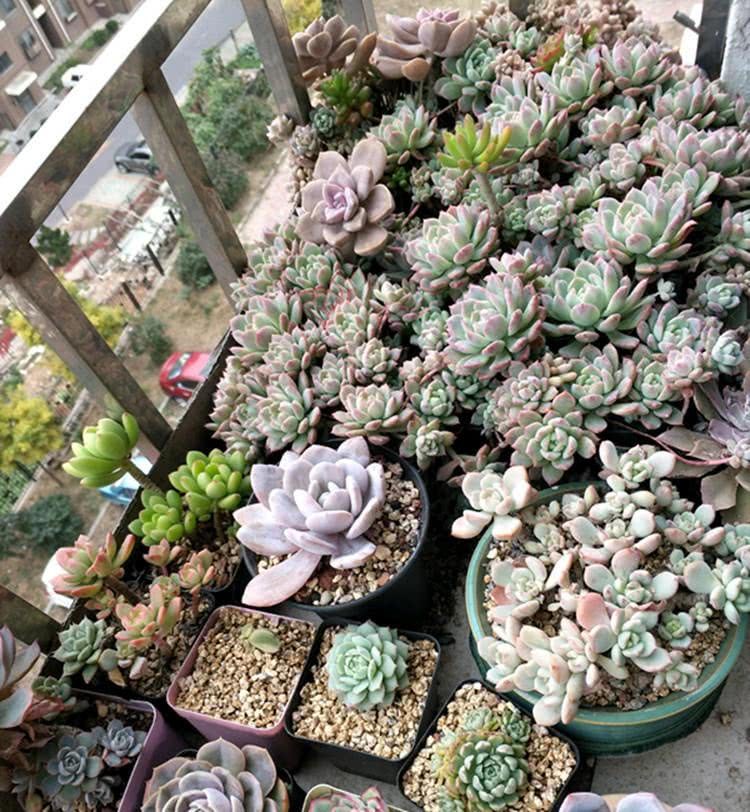
Leaf-propagating succulents are little cuties, and with a more particular method and selection, choosing the right leaf pieces can produce healthy, plump succulents from leaf propagation. When the method is used properly, you can grow succulents that are easy and effortless to care for. Doing things is like being a person: only when you are mindful will others, or other living things, also treat you sincerely. So when leaf-propagating succulents, you need to learn to use 4 "clever tips" so the succulents can be full of vitality.
1. Leaf selection
The first step in leaf propagation, of course, is choosing the right subject. Choosing the right subject is like lovers finding the right soulmate, so they can be happy every day. The same goes for succulents.
So the succulent leaves used for leaf propagation must be healthy and plump. Leaves that have turned yellow or are damaged must not be used. If you accidentally choose this kind of leaf, it will be very difficult for it to sprout, and it will easily rot and mold, thereby infecting other healthy leaves. Therefore, when selecting leaves, try to include some stem tissue, so that fast-clustering buds can grow.
2. Soil selection
Once the leaves are chosen, next comes the choice of soil. In general, the soil needed for leaf propagation should have good air permeability and be beneficial for drainage. More specifically, choose the soil according to how much water the succulent stores.
For varieties whose leaves store little water and whose roots are relatively fine, use a relatively fine surface soil; you can use sifted powder of stove ash and vermiculite, but the lower part of the pot should still use large-particle soil. For varieties whose leaves store a lot of water and whose root systems are thick and strong, it is best to use soil mixed with materials such as large-particle vermiculite, volcanic rock, and pumice.
3. Humidity of the pot
A warm home gives the people in it a high happiness index. The same applies to leaf-propagated succulents: give them a suitable temperature. Leaf propagation has relatively high humidity requirements. Too wet easily causes the leaves to rot, while too dry is not conducive to rooting in leaf propagation. Therefore, when leaf propagating, make sure the soil surface is moist. Try your best to satisfy this tiny temperature requirement of theirs!
4. Leaf placement
There are two ways to place the leaves: one is flat placement, and the other is the slanting-insertion method. Flat placement sprouts relatively quickly, but the roots are easily exposed to the air. Using the slanting-insertion method allows the succulent's tender buds to grow directly in the soil. It should be noted that when slanting inserting, there is no need to bury the succulent very deep. Do not press it too firmly either, otherwise it will affect the new buds emerging from the soil.
Succulent leaf propagation is roughly the process above. So since you have chosen succulent leaf propagation, then just press on through wind and rain. In the following period, try to avoid strong light exposure, as overly strong light will consume the nutrients of the new buds. Also appropriately apply a succulent-specific liquid fertilizer, which can be done together with watering, to maintain the moisture of the soil surface. As long as you are mindful, leaf-propagated succulents will quickly take root and be full of vitality!