How to save a geranium old plant that has turned into a "goblet"? An old flower farmer teaches you one trick
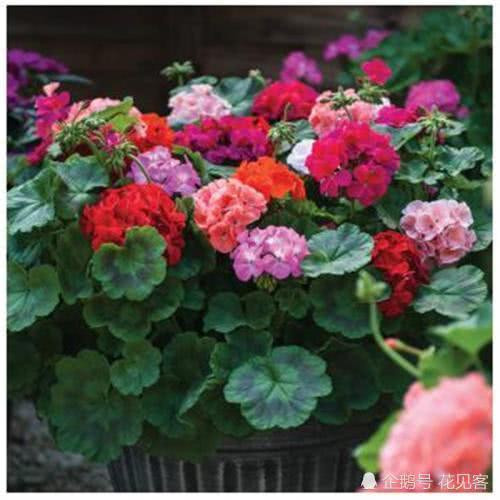
Geraniums are a favorite flower for many gardening enthusiasts, and they can be grown both indoors and outdoors. They have a long blooming period, bright and gorgeous colors, and are especially beautiful. However, for some old plants, many gardening enthusiasts complain that the plants have turned into "goblets," greatly reducing their ornamental value. When this happens, I know an old flower farmer, and he said that doing this 1 thing well will make geraniums branch out lushly again and bloom in exploding pots!
Geraniums have strong growth ability. Some gardening enthusiasts can't bear to prune when they see the plant getting large, letting it keep growing. After it becomes an old plant, many branches turn into "goblets," which especially affects the ornamental value. Therefore, pruning must be done well.
The best time to prune geraniums is in autumn. As the weather turns cooler, the plant slowly resumes growth. At this time, heavy pruning can promote the sprouting of new buds and strong branches, lush foliage, and blooms in exploding pots.
For some "goblet" branches, prune boldly, keeping just 5-7 bud nodes. If the plant is too spread out, you can completely cut off its head.
To make the plant compact, the blooms fuller, and reduce the dispersion of nutrients, thin branches, diseased branches, weak branches, inward-facing branches, and horizontal branches should all be pruned off. When pruning, note that you should keep as close to the bud nodes as possible, and the cut should be smooth and clean, so the wound heals quickly and new buds sprout faster.
After pruning, to prevent the wound from being infected by pathogens, you can use potassium permanganate or carbendazim, etc., to sterilize and disinfect the wound. After treatment, move the plant to a cool place with scattered light. Since there are not many branches and leaves for transpiration, the root system's water absorption capacity decreases, so there is no need to water too much. Keeping it appropriately moist is enough; otherwise, it can easily cause root rot.
Geranium care is introduced here. If gardening enthusiasts have other additions, you can share them with everyone in the comment section below. If you want to learn more about flower-growing knowledge, you can follow Flower Fairy!