Add some warm colors to the autumn garden, warm and comforting
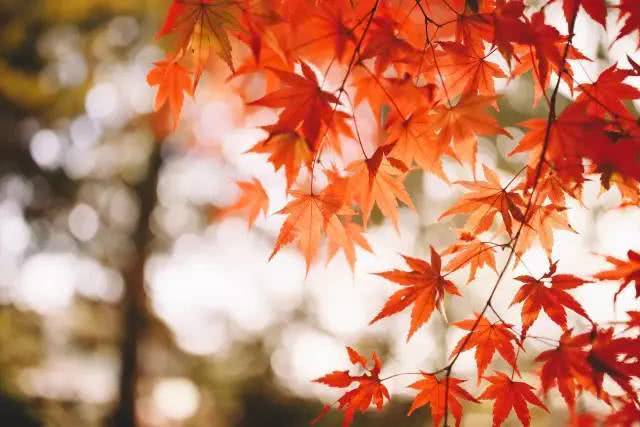
Orange and yellow are the warmest and most seasonal colors of autumn. Combined with the warm but not harsh autumn sunlight, they make people feel at ease. Warm-toned plants always make people feel passionate, warm and full of life. Along with easy care, let's take a look at what good-looking plants and flowers come in warm tones, and not just autumn and winter plants.
Warm-toned plants:
1. Red maple
Red maple is red in spring and autumn, and purplish-red in summer. It can be said to be a beautiful sight in autumn.
Red maple is a small deciduous tree with slender branches, smooth bark and a grayish-brown color. It likes a humid, warm climate and a cool environment, and is relatively shade-tolerant and cold-tolerant.
2. Hibiscus
Hibiscus is a common deciduous shrub in courtyards, with a flowering period from July to October. Hibiscus is highly adaptable to the environment, relatively tolerant of dryness and poor soil, and not strict about soil requirements. It especially likes light and a warm, humid climate. It is slightly shade-tolerant, likes a warm and humid climate, tolerates pruning, and is both heat-tolerant and cold-tolerant.
3. Chrysanthemum
Golden chrysanthemum, coreopsis, black-eyed Susan and others. The small yellow flowers are suitable as accents in the garden.
4. Gladiolus
Gladiolus (sword lily) is a perennial herbaceous plant with sword-shaped leaves and a flowering period from July to September. Gladiolus is a plant that likes warmth, but too high a temperature is unfavorable for its growth, and it is not cold-tolerant. It is a typical long-day plant. Long daylight favors flower bud differentiation, and insufficient light will reduce the number of flowers.
5. Corn poppy
Corn poppy is an annual herbaceous plant, and its flowering period is quite long, with flowers from March to August. The plant height is 25-90 cm, the leaves are lanceolate or narrowly ovate, and the stems have spreading bristles. It likes places with ample light and good ventilation, and is cold-tolerant but not tolerant of moisture or heat.
Red corn poppies planted together with small white flowers stand out especially, so beautiful that people are intoxicated.
6. Rose
Plants of the genus Rosa have always been very popular in gardens. Planting a few is always a good choice.
7. Daylily
The flowering period of daylily is from May to July, and it is a flower that blooms in midsummer. It is a perennial herbaceous plant with persistent roots. The most obvious difference from lilies is that the leaves are long and narrow and grow in clumps at ground level. Daylily is robust, cold-tolerant and highly adaptable. It likes moisture but is also drought-tolerant, and likes sunlight but is also tolerant of partial shade.
8. Chinese trumpet creeper
The flowering period of Chinese trumpet creeper is similar to that of daylily, from May to July each year. It is a climbing vine that attaches to other objects with aerial roots. It likes ample sunlight and is also tolerant of partial shade. It is relatively adaptable, cold-tolerant, drought-tolerant, and has few pests and diseases.