6 flowers that get more fragrant the more sun they get, perfect for a sunny balcony
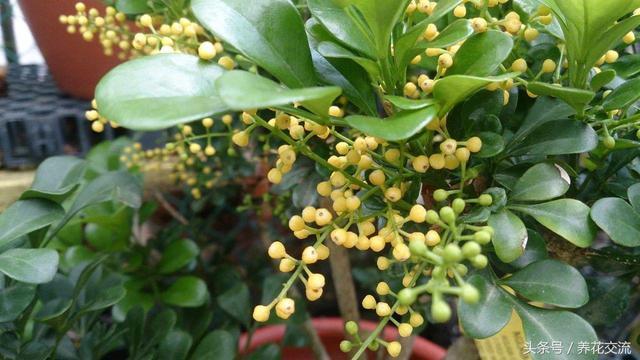
Some plants produce flowers with a captivating fresh fragrance, but to encourage them to bloom, they need fairly abundant light every day, and they can only grow well with more than eight hours of light daily. Let's take a look at some flowers that get more fragrant the more they are exposed to the sun.
First type: Orange jasmine (Aglaia odorata)
Some friends have asked me why the orange jasmine they grow produces flowers that have no fragrance. It is very likely caused by insufficient light, or possibly because the heat or temperature is not high enough.
Orange jasmine (Aglaia odorata) likes a warm and humid environment year-round. The growing spot needs to maintain more than 6 to 8 hours of direct light every day. When the sun is bright, the flowers it produces are especially captivating, with very delicate small golden-yellow blooms carrying a captivating fragrance. If it is kept in rainy weather or in a semi-shaded spot, the fragrance of its flowers becomes very faint.
Second type: Orange jessamine (Murraya paniculata)
The orange jessamine (Murraya paniculata) seen in flower shops is usually small seedlings grown from seed. Of course, there are also some grown into small potted plants, but they have not yet reached flowering age. Orange jessamine generally needs to grow for more than a year before it has a chance to bloom. During care, it needs more than eight hours of direct light every day, regular watering, and during the growing season a slow-release organic liquid fertilizer once every two to three weeks, which helps promote flowering.
Third type: Four o'clock flower (Mirabilis jalapa)
The four o'clock flower (Mirabilis jalapa) is also called the marvel-of-Peru. It is also a variety whose flowers carry a captivating fragrance. It is suitable for growing in a spot with plenty of scattered light every day, and it can also grow well with more light. It is especially easy to care for and can grow well in loose, well-draining sandy soil. The growing spot should stay ventilated and let light through, and the soil should be kept moist during the growing season, so it can maintain continuous blooming.
Fourth type: Osmanthus (Osmanthus fragrans)
Among fragrant flowers, osmanthus (Osmanthus fragrans) is of course indispensable. Cultivating osmanthus requires fertile, deep and loose sandy soil, and the soil should be slightly acidic. They can grow well in a well-ventilated spot with plenty of light. Avoid keeping them in shade, otherwise they will not be able to bloom. The growing environment should stay warm year-round, with the minimum care temperature kept above 5°C.
Fifth type: Gardenia (Gardenia jasminoides)
Gardenia (Gardenia jasminoides) has a great many varieties. Some gardenias with single-petaled flowers are especially fragrant. It likes slightly acidic, loose, breathable and well-draining humus soil. The soil should be rich in humus and also have good drainage. During care, it needs as much light as possible every day, regular watering, and during the growing season a diluted organic liquid fertilizer once every 1 to 2 weeks.
Sixth type: Jasmine (Jasminum sambac)
The flowers of jasmine (Jasminum sambac) carry a very captivating fresh fragrance, and you never get tired of smelling them no matter how many times. The growing environment for jasmine should stay ventilated and let light through, and the soil should be kept moist during the growing season to avoid excessive drought. The growing spot should have more than 6 to 8 hours of direct light every day. Only with sufficient light can its branches and leaves grow strong. Also note to regularly supplement ferrous sulfate or potassium dihydrogen phosphate solution, which can promote flowering and prevent the soil from becoming alkaline.