Potted flower soil has become compacted and you don't want to repot? Choose any one of 3 methods
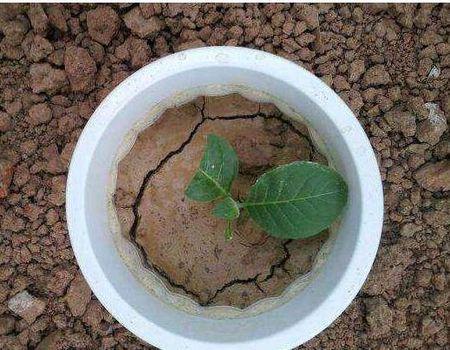
Once plant soil has been around for a long time, it will still clump up. This simply means that when you water, the soil is not breathable and has poor water absorption, causing the plant to gradually become weak, with thin, weak stems and fewer flowers. No matter how much you care for it, water it, or fertilize it, it is useless. Many people, when they encounter compacted plant soil, choose to repot and replace the soil to improve the soil quality. But for people living in big cities or high-rise buildings, finding soil is very difficult, and carrying it upstairs is tiring. What better ways are there to make the soil looser?
Method one: the bottom-soaking watering method. Put the flowerpot into a larger basin of clean water, so that clean water soaks up into the soil from the bottom of the pot and makes it soft. The downside is that it causes the salts originally settled at the bottom to rise, which can easily damage the plant's roots and stems, so it can be alternated with normal watering. When watering, do not directly pour water over the soil, because the force of the water is too strong and can also cause the potted soil to become compacted. The best method is to use a spray bottle, and at the same time you can add one or two drops of edible vinegar to the water, which can directly prevent the soil from compacting.
Although watering plants is a routine care measure, the knowledge behind watering runs deep. Water quality is one issue that must be considered. Usually, clean river water or rainwater can be used directly to water potted flowers and plants. Under normal circumstances, we should not use tap water to water directly. Even if it is to be used, it needs to be left standing and exposed to the sun for a few days first.
Method two: loosen the soil for potted plants, because if the soil is not loosened for a long time, the potted soil will also become compacted quickly. So usually when you have nothing else to do, before watering you can first loosen the soil for the plant, so the plant can better absorb water and nutrients. When loosening the soil, it is best not to break the plant's roots.
Method three: soil compaction is mostly caused by using too much inorganic chemical fertilizer. Because the content of organic matter in the soil is relatively low, the soil is no longer soft and there is less humus, so adding more organic fertilizer will help somewhat. Apply dry fertilizer on the surface of the potted soil. This method can also produce a good fertilizing effect, because after the dry fertilizer is applied to the surface of the potted soil, it begins to ferment before long. On the one hand, this makes the potted soil looser, and on the other hand, the nutrients produced by fermentation sink down with the water (that is, they sink with watering), and the roots of the flowers and trees absorb the nutrients.
Finally, what plants are suitable to grow at home? Aloe, spider plant, snake plant, cast-iron plant, and monstera are natural scavengers and can remove harmful substances from the air. Research shows that snake plants and spider plants can absorb more than 80% of harmful gases indoors, and their ability to absorb formaldehyde is extremely strong. Aloe is also good at absorbing formaldehyde and can absorb 90% of the formaldehyde contained in 1 cubic meter of air. If you want to grow succulents, you can grow some Haworthia types, such as the succulent Haworthia cooperi.
This is a gathering place for flower enthusiasts, sharing flower care tips. Welcome to follow and exchange ideas.