For garden-grown roses, bury this around them in autumn; it works even better than fertilizer, and every bud grows as big as a fist
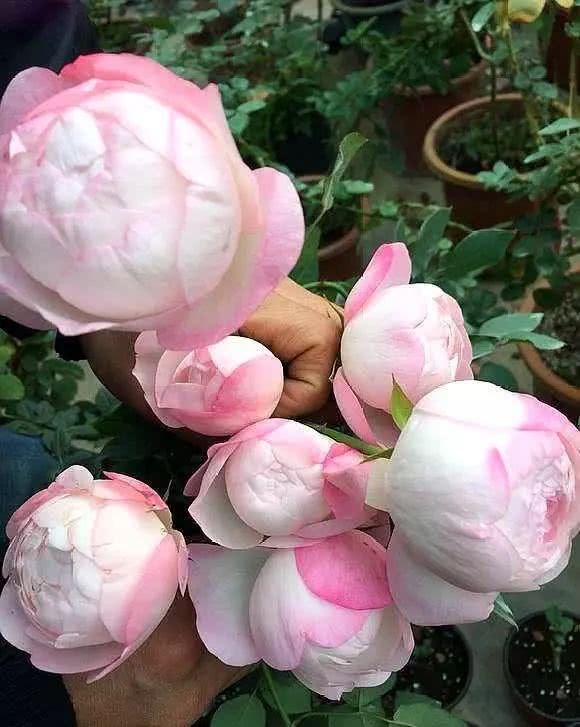
Garden-grown roses and potted roses are slightly different, mainly because garden-grown ones have the earth to rely on; even without fertilizer they will at most grow a little worse, but potted roses that get no fertilizer simply will not grow. Still, when fertilizing roses you need to grasp a few principles, and after that you can do as you please; fertilizing however you like is no problem.
Please enter an image description
If you want roses to grow well, you cannot fertilize blindly; you need to grasp the timing. Generally, when the plant is growing rapidly, its fertilizer demand is greatest. At this time, if fertilizer and water are insufficient, it may set back a whole year of rose growth, and even affect next year's flowering. In a year, there are two golden periods for rose growth. The first is spring, when all things revive; at this time, when you see the red, plump bud points emerging on the roses, you need to fertilize quickly. At this stage, a compound fertilizer will do, and of course a single application of pure nitrogen fertilizer (urea, etc.) works even better, but you can use pure nitrogen fertilizer at most once per season. Generally, for garden-grown roses, when they sprout in spring you can dig a trench or hole 30-50 cm away from the root system, then scatter in the compound fertilizer and cover it. During normal watering, the fertilizer will leach down with the water. Once a month you can scatter compound fertilizer, 30-50 grams at a time, increasing or decreasing it according to the size of the seedling.
Please enter an image description
In summer, rose growth stalls, and there may even be the so-called "stiff seedling" condition, usually caused by temperatures being too high. At this time you must not over-fertilize; generally you can halve the fertilizer amount or skip fertilizing, and you can also spray foliar fertilizer, all of which is fine. The principle is that in summer roses grow slowly, so fertilize less.
In autumn, especially at the end of August, when the temperature turns cooler, roses begin vigorous growth, and at this time they again need a lot of fertilizer. I usually scatter compound fertilizer on the ground before it rains, so the fertilizer can melt and leach down with the rainwater, which works very well; moreover, when it rains the air humidity is high, so it is not easy to burn the seedlings.
Please enter an image description
Once winter arrives, you can generally bury base fertilizer for the roses; well-rotted organic fertilizer is usually recommended, that is, 30-50 cm away from the base of the rose, dig a hole and bury the organic fertilizer. Of course, some flower friends bury fish intestines and other animal offal; after rotting through the winter, the effect in spring is excellent, but this is not recommended in other hot seasons, otherwise after it rots the smell is quite something.