Orchid stem rot is hard to save, and repotting kills them all too - an experienced grower teaches you the method, and new shoots have already sprouted
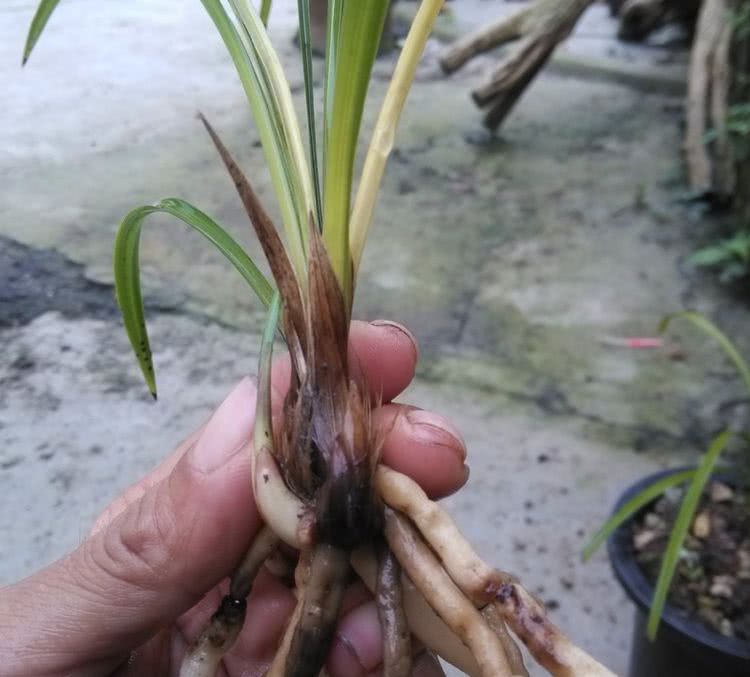
Last spring, a grower introduced a rare summer orchid variety, and was overjoyed when it bloomed again in August. But the good times did not last. Just as the flowers faded, the old pseudobulbs were found turning yellow. The grower thought it was nutrient imbalance after blooming, and since summer orchids are vigorous and easy to grow, did not pay it much attention. But later, the leaves on the strong pseudobulbs would fall off at the joint with a touch, and the top became wrinkled and shriveled. Only then did the grower realize it was a serious illness. After checking a lot of information, the grower learned it was "stem rot." A hurried repotting and many related medicines could not save it - all died.
In August last year, a man claiming to be from Fujian came to our city to sell orchids. One plant, which he called a broad-leaf lotus-petal orchid, I had never seen before, and I had no idea whether it was genuine or fake, but its plant form was very imposing. After haggling, I bought it for 30 yuan. After planting it, during shade cultivation with poor ventilation, it developed stem rot. With insufficient experience, I discovered it too late, and of the five pseudobulbs, two had already collapsed. I used cutting surgery + streptomycin (400,000 units mixed into 100CC of liquid) + metalaxyl-mancozeb (high concentration, mixed into a paste and applied), and after 3 consecutive applications it was cured. Two pseudobulbs remain, and 2 small shoots have already emerged.
If an orchid develops stem rot, there is a chance it can be saved if discovered early. Some growers have also tried soaking it in high-concentration thiophanate-methyl for 12 hours, and the orchid was ultimately saved.