6 potted plants suitable for the bedroom, they release oxygen at night and also purify harmful gases
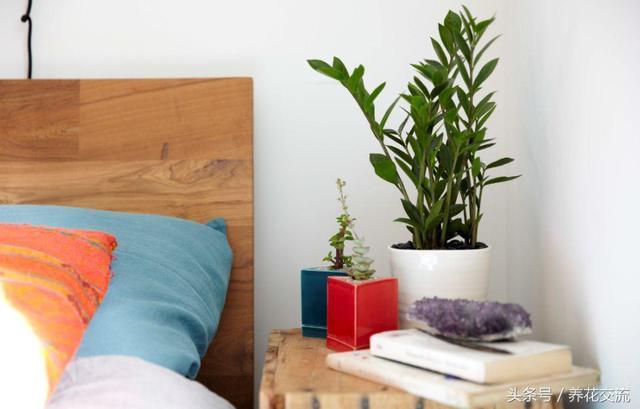
Most people today know that growing plants indoors is good for the home: they absorb carbon dioxide and release oxygen, raising indoor oxygen levels, and they can also absorb harmful indoor gases. But few people realize that most plants carry out respiration at night, meaning they absorb oxygen and release carbon dioxide.
This is also why you cannot place too many potted plants in the bedroom. There are also a very small number of plants that release oxygen and absorb carbon dioxide at night; keeping a few more pots of these plants in the bedroom is no problem.
Some plants can release oxygen even without carrying out photosynthesis. These plants can purify harmful formaldehyde, benzene and other allergens from indoor air, and can do a very good job of improving the air quality at home, helping people relax more, which helps them fall asleep faster and reach deep sleep. They are excellent bedroom plants.
The six plants best suited to growing in the bedroom:
1. Snake plant
The snake plant releases oxygen and absorbs carbon dioxide both day and night, giving it a very good air-purifying effect. It is extremely adaptable to its environment and grows well even in low-light conditions. It also has very low water needs and is extremely drought-tolerant, surviving even without watering for a month.
2. Kalanchoe
Kalanchoe is a succulent in the Crassulaceae family. It also continues to release oxygen and absorb carbon dioxide at night. Although the effect is relatively small, it is still better than nothing. It is suited to growing on a windowsill with appropriate light, and in winter and spring it produces charming flowers.
Kalanchoe is especially easy to care for and does not need frequent watering. It likes a warm, dry environment year-round. Water thoroughly once the potting soil has dried out, shade it appropriately in summer, and just avoid freezing in winter.
3. Peace lily
Although the peace lily cannot release oxygen at night, it can filter formaldehyde and benzene from the air very well, and it can also appropriately regulate indoor air humidity, which can ease some symptoms of air allergies.
Caring for a peace lily is also very simple. It can adapt to low-light conditions; keep the growing position brightly lit. During the growing season, wait until about three cm of the soil surface has dried, then water thoroughly. It does not need frequent watering.
4. Aloe
Aloe releases oxygen from day through to night. It is an especially low-maintenance plant that does not need frequent attention; frequent watering actually makes it prone to root rot. When watering, do not pour water onto the leaves or the center of the leaf rosette. Water thoroughly once the soil has dried out, and keep the growing position in appropriate scattered light, keeping it bright.
5. Yew
The yew is a plant that can release oxygen 24 hours a day, making it very suitable for growing in the bedroom. However, it likes ventilation and an environment with a certain controlled humidity. The growing position should have appropriate scattered light and be kept from drying out, otherwise its leaves easily turn yellow.
6. Ivy
Although ivy cannot release oxygen at night, it can absorb excess allergens in the home and purify most harmful gases indoors. It likes a cool, semi-shaded environment and grows well in low-light spots. It fears harsh exposure or excessive direct sunlight. During care, just water it regularly and it will grow well.