An Analysis of the Causal Relationship Between Immunity and Pulmonary Consolidation
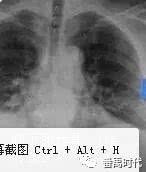
In Western medicine, immunity refers to people's resistance to disease, while in traditional Chinese medicine it is called vital qi (zheng qi). As early as in the Huangdi Neijing: Suwen, it is recorded: "When vital qi is preserved within, pathogenic factors cannot invade; where pathogenic factors gather, the qi there must be deficient." This means that when a person falls ill, the vital qi is already insufficient. Immunity as described in Western medicine has three major functions, namely immune defense, immune homeostasis, and immune surveillance, which are also quite similar to the detailed explanation of vital qi in traditional Chinese medicine.
Immune defense refers to the ability to resist the invasion of pathogens and their toxic products into the human body, so as not to contract infectious diseases; immune homeostasis refers to the ability to promptly recognize senescent and dead cells and clear them out; immune surveillance refers to recognizing and killing mutated cells in the body to prevent tumors. Once human immunity becomes abnormal or imbalanced, pathological phenomena will occur. For example, if immune homeostasis is too strong, one is prone to rheumatoid arthritis; if immune defense is too high, allergic reactions are likely to occur.
The above are the pathological reactions that tend to occur when immune function is too strong or too high. When immune function is too low, one is prone to immunodeficiency syndrome; if immune surveillance is too low, tumors, pulmonary consolidation, and other organic lesions will occur, which is what traditional Chinese medicine calls severe deficiency of vital qi. In fact, these are malignant transformations, that is, organic lesions, that develop when some chronic diseases reach a certain stage. Pulmonary consolidation is only one of them; there are also pulmonary fibrosis, pulmonary atelectasis, lung cancer, and so on.
Pulmonary consolidation can also be described as atelectasis or alveolar fluid accumulation leading to the absence of gas in the lungs, followed by substantive changes in the lung tissue, with the alveoli filled with exudate and so on, and a hardening reaction occurring, just like cirrhosis of the liver. Therefore, pulmonary consolidation means that substantive changes have occurred in the lungs. The most common cause of pulmonary consolidation is pneumococcal pneumonia, which presents with weakened breath sounds in the lungs, increased tactile vocal fremitus, and dullness on percussion. When large-area pulmonary consolidation occurs, vocal fremitus, dullness, and flatness become prominent, along with bronchial breath sounds and crackles, and so on.