A Comprehensive Analysis of Syndrome Differentiation and Treatment Methods for Lung Cough
This year's autumn wind came early. The usual climate pattern is that wind rises at Cold Dew, but this year, around White Dew, strong winds have been constant, creating conditions for an increase in colds and other respiratory illnesses. Respiratory diseases cannot be separated from cough, and it can also be said that most are lung cough, and in the current environment of great winds rising, wind-cold binding the lung type of lung cough will account for the vast majority, while in each individual patient, there may also be causes and syndromes such as dry pathogen damaging the lung, wind-heat invading the lung, phlegm-dampness accumulating in the lung, depletion of lung yin, and even insufficiency of true yin.
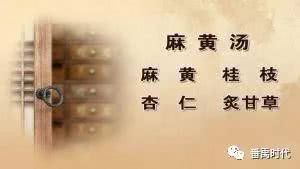
Lung cough generally appears to be mostly excess exterior signs, such as wind-cold binding the lung, from throat itching, nasal congestion and runny nose to heavy cough sound and rapid breathing, then to coughing clear thin phlegm, thin white coating, floating pulse; over time it can also transform into heat, that is, nasal discharge and phlegm turn from white to yellow. Regarding this progression from wind-cold invading the lung to wind-cold binding the lung, Volume 15 of Bu Ju Ji says: "Cough of the lung channel, the appearance of lung cough is coughing with wheezing and audible sound, and in severe cases spitting blood; Ephedra Decoction governs it."
Dry pathogen damaging the lung is also relatively common at present. In traditional Chinese medicine, autumn dryness is spoken of, and with constant strong winds and little rain, the dry qi becomes even heavier. After dry qi damages the lung, there will be symptoms such as dry cough without phlegm or with little phlegm, dryness of the nose and throat, red dry tongue with little fluid, and rapid pulse. For treatment, Mulberry and Apricot Decoction and other main formulas can be used with modifications to clear and diffuse dryness-heat; wind-heat invading the lung is not very common at present, but it is not rare either. Patients will have sore throat, thirst, yellow nasal discharge, yellow and thick phlegm, rough breathing, thin yellow coating, floating rapid pulse, and so on. Mulberry Leaf and Chrysanthemum Drink and other main formulas can be used with modifications to disperse wind and clear heat, diffuse the lung and stop cough.
Wind-cold binding the lung, wind-heat invading the lung, wind-dryness damaging the lung, and other causes may all produce the phenomenon of phlegm-dampness accumulating in the lung. Patients will have symptoms such as heavy and turbid cough sound, chest tightness and stuffiness, profuse white sticky phlegm, white greasy tongue coating, and soft slippery pulse. For treatment, Erchen Decoction plus Sanzi Yangqin Decoction and other formulas can be used with modifications to dry dampness and transform phlegm, regulate qi and stop cough. If phlegm-dampness accumulating in the lung continues to develop, the syndrome of phlegm-dampness stagnating in the lung will appear, that is, causing lung qi to be blocked, with yellow thick phlegm, chest tightness and rapid breathing, yellow greasy tongue coating, and slippery rapid pulse. Clear Metal and Transform Phlegm Decoction and other main formulas can be used with modifications to clear heat and purge the lung, eliminate phlegm and stop cough.
Lung cough caused by depletion of lung yin, insufficiency of true yin, and other reasons is mostly internal injury type cough, and may present a mixture of exterior and interior signs, deficiency and excess patterns. If there is depletion of lung yin, there will be dry cough without phlegm, or perhaps coughing blood, afternoon flushing of the cheekbones, night sweats, red tongue with little coating, dry mouth, fine rapid pulse, and other symptoms. Glehnia and Ophiopogon Decoction and other main formulas can be used to treat it. Another example is cough due to liver fire invading the lung, where there may be rebellious qi cough, cough pulling on the hypochondriac region with pain, yellow tongue coating with little fluid, wiry rapid pulse, and other symptoms. Indigo Naturalis and Clam Shell Powder combined with Scutellaria and White Bark Powder and other main formulas can be used with modifications to clear the liver and purge the lung, transform phlegm and stop cough.
Lung cough due to insufficiency of true yin is relatively rare. In Zheng Yin Mai Zhi: Internal Injury Cough, it says: "The symptoms of cough of the lung channel are rapid breathing, panting and coughing, pain pulling at the supraclavicular fossa, shivering and aversion to cold below the right hypochondrium, or pulling pain of the sinews of the right arm, phlegm difficult to expectorate or spitting white drool, dry mouth and hoarse voice; these are the symptoms of lung cough." In treatment, besides treating the excess branch by clearing the lung and draining heat, main formulas such as Xiebai Yiwu Decoction and Clear Lung Drink may be selected with modifications. Treating the root and supporting healthy qi should be carried out correspondingly; for example, if the pulse is slow and fine, with qi and yin deficiency, it is appropriate to boost qi and nourish yin, using Ginseng Lung-Tonifying Drink, Ginseng Generate Pulse Powder, and so on.