6 flower-growing tips to make your flowers bloom more and bigger
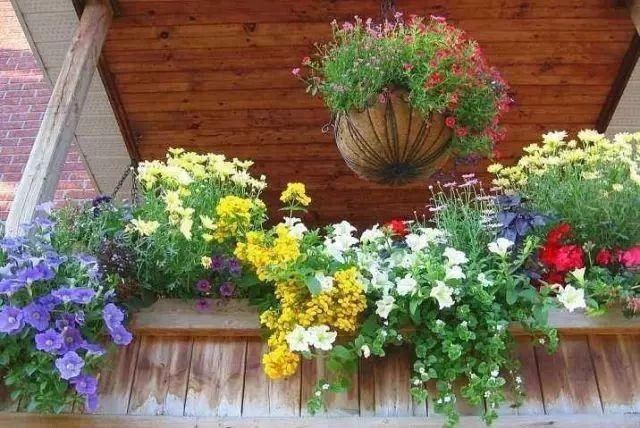
I believe many flower lovers want their beloved plants to bloom abundantly! So does this editor! To make flowers bloom more and with higher quality, you just need to master these 6 aspects of tips!
1. Water the right amount
During the flower's growing period, water and fertilize reasonably. If you water too much, it easily causes leggy branches and leaves, affecting flower bud formation; if you water too little, the plant grows poorly and also tends to bloom less. Controlling the amount and frequency of watering can promote flower bud formation.
Generally, when we grow flowers at home, we tend to water relatively more, and the plants usually are not short of water. During the flower bud differentiation period, it is recommended to control water appropriately and water only when the soil is dry.
2. Temperature
Temperature also has a big influence on flower formation, and the temperature should be suitable. Because flowers come from different places of origin, their ecological habits differ, and they can bloom normally only under suitable temperature conditions. Those who do not understand a plant's growth habits can send the flower name to the Flower Growing Home official account to look it up. If the temperature a flower needs is not suitable, it easily drops flowers and buds. For some biennial herbaceous flowers, if the seedlings do not go through a low-temperature stage, they cannot bloom normally in spring either.
3. Soil and soil quality
If the soil quality is good, the plant grows robustly; if the soil quality is poor, the plant's growth and development are hindered, it cannot bloom normally, and it may even die. For example, flowers that like acidic soil cannot be planted in alkaline soil, otherwise they grow poorly or cannot bloom normally, and in severe cases they may die.
4. Apply more phosphorus and potassium fertilizer, less nitrogen fertilizer
If nitrogen fertilizer is applied multiple times before the flowering period, it easily causes the plant to grow leggy, thereby inhibiting flower growth and affecting blooming. Generally, 1 month before the flowering period, apply a light phosphorus and potassium fertilizer once a week (for homemade organic phosphorus and potassium fertilizer, bone meal can be used instead), fully supplementing the nutrients the plant needs for blooming, so the plant will differentiate more flower buds, and the flowers during the flowering period will be more numerous and stronger.
5. Light
Whether a plant is shade-tolerant or light-loving, it needs a certain amount of light during flower bud differentiation, so do not think that shade-tolerant plants need no light at all. In daily life we will find that branches receiving sufficient light bloom more, while branches receiving little light bloom less.
In addition, when growing flowers indoors we also need to pay attention to nighttime lighting. Plants such as clivia, narcissus, camellia, and Christmas cactus all need 10-12 hours of darkness during flower bud differentiation, so if they are placed in a room with strong light at night, it can also cause failure to bloom or fewer blooms. You can cover the plant with a cardboard box at night to improve this.
6. Prune frequently
Most flowers bloom on robust, plump branches. Pruning old branches appropriately can promote the sprouting of new branches, so there will be more blooms.
Do you have any little tips for making plants bloom more? If so, hurry up and leave a comment to share them with everyone!