How to grow stock (Matthiola incana)? Learn it in three minutes, easier to grow than pothos
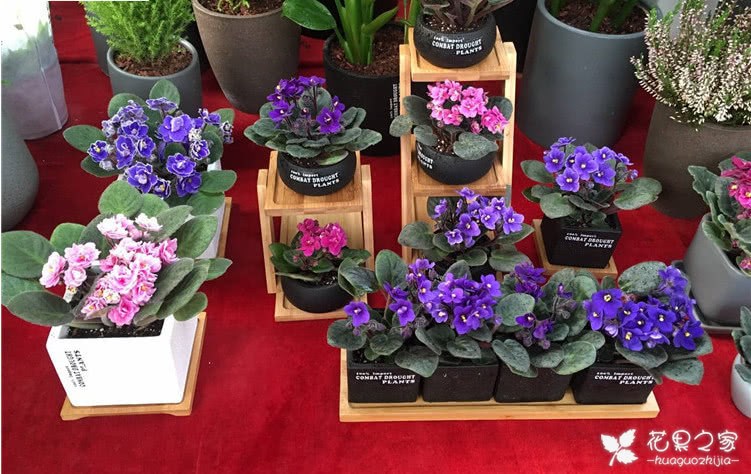
Stock belongs to the Brassicaceae family and the genus Matthiola; it is a biennial or perennial herb. Stock has abundant blooms, vivid flower colors, a rich fragrance, a long flowering period, and long flower spikes, making it a favorite among many flower lovers and suitable for potted display. Today the Huaguo Home editor will learn with you the growing methods for stock, as well as the points to note.
Stock growing habits
The first thing you need to know to care for stock well is its growing habits. If you do not understand the growing habits of stock, it is very difficult to grow it well. Stock growing habits: it likes a cool climate, dislikes dry heat, likes a well-ventilated environment, is cold-tolerant but not shade-tolerant, and fears waterlogging. In winter it likes a mild climate, but it can also tolerate a brief low temperature of -5°C. The suitable growing temperature is 15-18°C during the day and around 10°C at night. Stock is not strict about soil, but it grows better in well-drained, neutral to slightly alkaline soil, and acidic soil should be avoided.
Stock flowering period: April-May.
Stock flower meaning: Eternal beauty and love, simplicity, virtue, the coolness of midsummer.
Stock growing methods
Method 1, Soil
Stock is not very strict about soil, but to care for stock we had best grow it in fertile, loose, well-drained, neutral to slightly alkaline soil. Stock nutrient soil formula: garden soil 5, perlite 2, vermiculite 1, peat soil 2. Of course these ratios do not have to be followed exactly; adjust the mix according to the growing environment.
Method 2, Watering
The potting soil for stock must not be too moist. When watering stock, follow the watering principle of "water when dry, stop when wet", that is, water when the surface layer of the soil turns white, and just water until moist, keeping the soil "moist". Stock is generally watered once every 3-4 days. The lower the temperature, the less watering. After the ambient temperature rises, increase the amount of watering. When sowing stock, generally water the potting soil thoroughly, and do not water directly after sowing. If the soil becomes dry and white, use a spray bottle to spray or use the "soaking pot method" to keep the soil moist. After planting, water thoroughly. In the early stage of growth, control water to promote root growth and keep the soil slightly moist and on the dry side.
Method 3, Fertilizing
When planting stock, apply enough base fertilizer, and fertilize appropriately in the early stage according to plant growth. Do not apply too much fertilizer at one time; apply thin fertilizer frequently, otherwise it is easy to cause leggy growth. After stock forms flower buds, apply a 0.1%-0.2% potassium dihydrogen phosphate solution as a top dressing, once a week.
Method 4, Light
Stock likes light and needs full sun.
Method 5, Propagation
Stock is mainly propagated by sowing. The sowing time is generally from mid-August to early October, and it can also be adjusted according to the time flowers are needed. If sown in a greenhouse in February, it blooms in May; if sown in March, it blooms in June, and so on.
Method 6, Pests and diseases
The pests and diseases that stock is generally prone to include root rot, crown rot, downy mildew, aphids, mites, thrips, nematodes, and so on. To avoid damage from these pests and diseases, you need to disinfect the growing medium before planting and place the stock in a ventilated spot. If pests or diseases have already occurred, promptly spray the relevant chemicals for control.
Points to note when growing stock
1. Keep the temperature for stock between 10°C and 30°C, and when overwintering the temperature should not be lower than 5°C.
2. If stock does not get enough light and ventilation, it is prone to pests and diseases.
3. The potting soil for stock must not be too moist, and especially must not become waterlogged.
Conclusion:After reading the above "Stock Growing Methods and Points to Note", I believe everyone should have a general understanding of stock care. Thank you flower lovers for your support. Follow us to get more stock care methods and tips.