How to grow hyacinths in soil? Detailed guide to cultivation methods and precautions
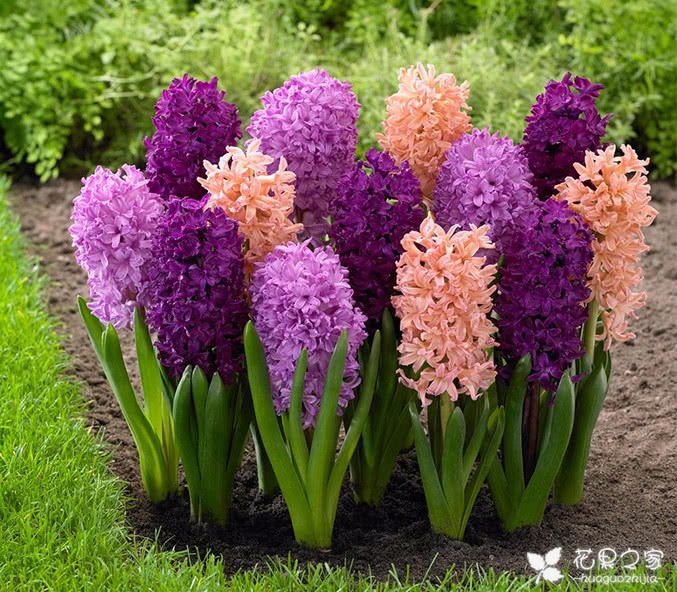
Hyacinth is a perennial herbaceous bulbous plant belonging to the flowering ornamental plants. The hyacinth plant is short and neat, with stately flower spikes, rich flower colors and beautiful blooms. It is one of the famous bulbous flowers that bloom in early spring and is also an important type of potted flower. It is suitable for arranging flower beds, flower borders and flower troughs, and can also be used as cut flowers, potted plants or grown in water for ornamental purposes. It has a dust-filtering effect, and its fragrance can stabilize mood and relieve fatigue. Besides being ornamental, the flowers can also be used to extract aromatic oil. Today the editor of Huaguo Home will learn together with you the cultivation methods of hyacinth and the precautions to note.
Hyacinth Growing Habits
The first thing you need to know to care for hyacinths well is the growing habits of hyacinths. If you do not understand the growing habits of hyacinths, it is very difficult to grow them well! Hyacinth growing habits: hyacinths like sunlight and are cold-tolerant, preferring a warm and humid winter, a cool and slightly dry summer, and a sunny or semi-shaded environment. They are suitable for growing in a cool and humid environment and in loose, fertile sandy soil, and are averse to waterlogging. Hyacinths like fertilizer and are suited to fertile, well-drained sandy loam. Hyacinths can be grown in pots, planted in the ground, or grown in water.
Hyacinth Blooming Period: March-April.
Hyacinth Flower Language: Light the fire of life, enjoy a rich life.
Hyacinth Cultivation Methods
Method 1: Soil
Hyacinths like fertilizer and are suited to fertile, well-drained sandy loam; it is best to cultivate hyacinths in fertile, loose, well-drained sandy soil. Hyacinth nutrient soil formula: 4 parts leaf mold + 3 parts garden soil + 2 parts river sand + 1 part plant ash. Adding some earthworm fertilizer or other poultry manure gives even better results. Hyacinths can also be grown hydroponically, and many people who grow hyacinths nowadays prefer hydroponic cultivation.
Method 2: Watering
The water requirements of hyacinths change with their growth stage. During the bulb rooting stage, slightly moist conditions are best. During the leaf growth stage and the budding and flowering stage, sufficient water is needed. During the full blooming period, watering should be reduced; during the bulb dormancy period, watering should stop and the soil kept dry. Hyacinths are generally watered thoroughly once at 7-8 in the morning or after the sun goes down in the afternoon. In winter, water once every 3-4 days; in summer, once a day. When the soil is dry and has turned white, it is about time to water.
Method 3: Fertilizing
The nutrients needed for hyacinths to bloom mainly come from the nutrients stored in the bulb leaves, namely the base fertilizer. During the autumn and winter growing period, apply 1-2 additional topdressings mainly of phosphorus and potassium. When fertilizing hyacinths, note that improper fertilization can easily cause the bulb to rot. Hyacinths are imported bulbous plants
Method 4: Temperature
Keep the room temperature at 5-10°C when caring for hyacinths. If the water temperature rises to around 20°C, hydroponically grown hyacinths need the water changed once every 3-4 days until the flowers fade. (Hydroponics)
Method 5: Propagation
Hyacinths are commonly propagated by two methods: bulb division and sowing. The propagation method among them: mostly used when breeding new varieties, sown in autumn into the culture soil in a cold frame, covered with 1 cm of soil, and germinating at the end of January to early February the following year. Small bulbs cultivated from seedlings bloom after 4-5 years. Under ordinary storage conditions, seed viability can be maintained for 3 years.
Method 6: Hydroponics
For hydroponic hyacinths, there must be a 1-2 cm space between the water level and the base plate of the bulb, so that the roots can breathe and get air. It is strictly forbidden to fill the water so full that it covers the bottom of the bulb. In December, place the bulb in a wide-mouthed glass jar with a grid, and add a little charcoal to help prevent rot and disinfect. The bulb only needs to be soaked up to its base, then placed in a dark place with the jar covered with black cloth. After about 20-odd days of germinating in a completely dark environment, put it outdoors to receive sunlight, initially for 1-2 hours a day, then gradually increasing to 7-8 hours. In most cases, under good weather conditions, it will bloom by the Spring Festival.
Precautions for Growing Hyacinths
1. During the hyacinth planting process, be sure to water only after the soil has dried out completely, to avoid excessive moisture causing the bulb to rot.
2. The potting soil for hyacinths must not be too moist, and even less should water accumulate.
Conclusion: After reading the above content on "Hyacinth Cultivation Methods and Precautions," I believe everyone should have a general understanding of hyacinth care. Thank you, flower friends, for your support. Follow us to get more hyacinth care methods and tips.