My mother-in-law is too stingy with her flowers: she uses 3 kinds of trash as flower fertilizer, the leaves are glossy green and the flowers bloom nonstop
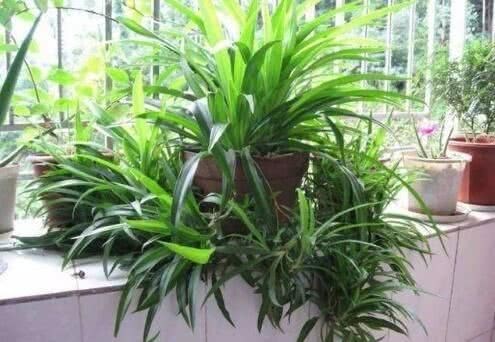
Everyone must be curious: can trash be used to grow flowers? Of course not all trash can be used; it depends on what kind of trash it is, such as these three kinds.
Everyone must be curious: can trash be used to grow flowers? Of course not all trash can be used; it depends on what kind of trash it is, such as these three kinds.
One: unwanted sunflower seed shells and peanut shells
Usually when you have nothing to do and are watching TV, you crack some sunflower seeds and eat some peanuts. The sunflower seed shells and peanut shells are just thrown away directly, or sometimes left overnight without being sealed, or stored too long and spoiled. Such sunflower seed shells, peanut shells, and spoiled sunflower seeds and peanuts can all be kept.
Put sunflower seed shells and peanut shells in water, seal them, and leave them in the sun to compost and ferment for two months; this can provide the nutrients flowers and plants need for growth. There is another method: put the spoiled sunflower seeds and peanuts under the sun to bake, then crush them and add them to the potting soil as a base fertilizer, which increases the soil's air and water permeability and also benefits the growth of the plant roots.
Two: spoiled soybeans
Sometimes when too many soybeans are cooked, or they are soaked in water too long and not eaten in time, they develop a sour smell. Usually such soybeans are just poured away. Friends who grow flowers can keep them. Rinse raw soybeans clean, add clean water, and put them in a pot to cook. For soybeans that are already cooked, find an airtight container, put them in, seal it, and place it in the sun to ferment. After fermentation, soybeans are a very high-quality nitrogen fertilizer. If you are worried about the odor, you can add a few pieces of orange peel to the soybean fertilizer. After it has fermented well, the soybean grains can be buried directly in the flower pot, and the soybean water can be diluted with water and poured in a circle along the flower pot. Organic nitrogen fertilizer can promote rapid plant growth.
Three: leftover fish bones and meat bones
These food scraps are usually thrown away directly after a meal; I never thought they could be collected and used to grow flowers. Wash the fish bones and meat bones and boil out the salt. Salt will inhibit plant growth, so you can boil them several times. After boiling, take out the bones and put them in the sun to bake for a few days. After they are dried, crush them directly, break them into powder, and add them to the flower pot. You can also add water and continue fermenting. This is what we often call bone meal. Bone meal is rich in phosphorus and potassium. During the flowering period of clivias, spider plants, and orchids, bury a little in the flower pot, then add water to the fermented bone meal and pour it in a circle along the flower pot, being careful to keep away from the roots. The leaves of clivias, spider plants, and orchids will be so green they look like they are dripping oil, and they will send up many small shoots, blooming abundantly and beautifully.
The three kinds of "trash" used by my friend's mother-in-law made the flowers she grows grow very vigorously, even better than bought fertilizer. Clivias and spider plants in particular, after using these "flower fertilizers," had especially bright and beautiful flower colors after blooming. My friend was very impressed when she saw it.
If you think it is good, welcome to like, save, share, and follow!