This shade-tolerant and easy-to-grow flower blooms continuously through all four seasons
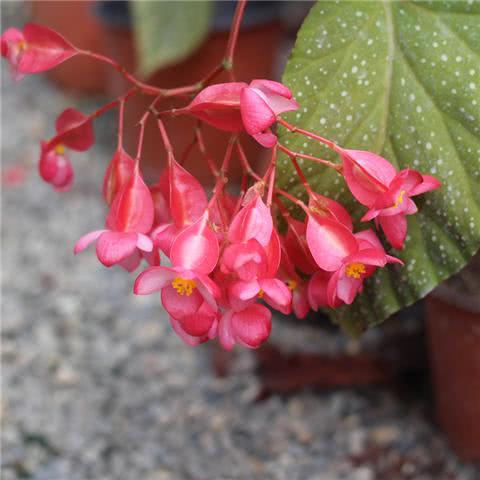
The bamboo begonia (Begonia maculata) has delicate flower shapes and soft leaf colors, and growing it at home decorates windowsills, coffee tables and other spots. It is highly adaptable and a shade-loving plant, but it is best kept in diffused light, which helps it bloom; otherwise, a long-term dark environment will cause leaf drop, yellowing leaves and failure to bloom. Let's take a look at how to care for the bamboo begonia!
(1). Suitable soil
The soil for the bamboo begonia can be made by mixing compost soil, leaf mold and peat soil. Do not choose soil that is alkaline or heavy, sticky and prone to compaction, as this is bad for new root growth and easily leads to stunted stems and leaves.
(2). Proper watering
The bamboo begonia is drought-tolerant, so do not water too frequently. Based on how dry the potting soil is, water again once the soil surface turns pale; when you water, water thoroughly and keep the potting soil moist, but there must be no standing water. In high summer temperatures, you need to spray the leaves and the ground to maintain a high-humidity air state and a cooling effect, especially in dry seasons such as autumn, when spraying can maintain a certain humidity.
(3). Reasonable fertilizing
Fertilizing the bamboo begonia should be done when the soil is dry. Before fertilizing, stop watering and let the potting soil stay dry; fertilizing this way and then watering allows the plant to absorb nutrients more fully. Just after repotting, no fertilizing is needed. In spring, during the plant's growing period, apply a dilute liquid fertilizer once every 15 days. Be careful not to over-fertilize and control the frequency of fertilizing. Stop fertilizing during the flowering period and in winter.
(4). Regular pruning
If the plant is too tall, it needs pruning; otherwise, nutrients cannot keep up, which can lead to situations such as leaf drop. Generally, prune at the right time every spring, and combining this with repotting helps the plant grow healthily.