Orchid root rot and oxygen deprivation leave the plant near death; besides the traditional repotting, hydrogen peroxide can also bring it back to life
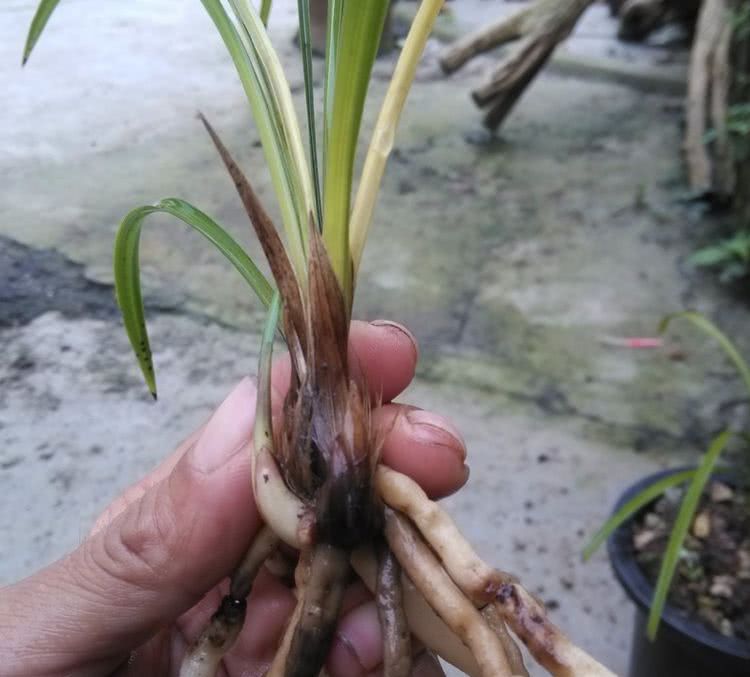
During cultivation, orchids often suffer from oxygen-deprived root rot caused by improper management, watering and fertilizing. The traditional way to save an orchid with root rot is to repot and replant it, which is troublesome and inflicts new damage on the orchid. Practice has shown that hydrogen peroxide can save orchids with root rot that are on the brink of death.
The specific method is: dilute ordinary medical hydrogen peroxide stock solution 800-1000 times and pour it thoroughly through the orchid pot showing signs of root rot, once every five days (three to four times in a row). When hydrogen peroxide meets organic matter in the orchid pot, it decomposes and produces a large amount of bubbles, and these bubbles are oxygen particles. The reason orchid roots rot is a lack of oxygen in the soil. After watering with hydrogen peroxide, this newly generated oxygen can supply the orchid roots for normal respiration, restoring their ability to absorb water and nutrients. Moreover, rotting orchid roots need an adequate oxygen supply when forming callus, and the orchid fungi living symbiotically with the roots also need to grow in an environment with sufficient oxygen.
After using hydrogen peroxide to replenish oxygen, the orchid also needs appropriate nutrient supplementation. You can use triacontanol (diluted 1000 times) to pour thoroughly through the orchid pot; this can strengthen the absorption function of the orchid roots and promptly supply the nutrients the roots and orchid fungi need for recovery. At the same time, the potting soil watered with hydrogen peroxide becomes loose and swollen, producing a large number of pores, which improves the physical properties of the soil and creates favorable conditions for the orchid's future growth.