Water orchids with these kinds of water and the effect is comparable to nutrient solution; no need to worry about yellow leaves or root rot
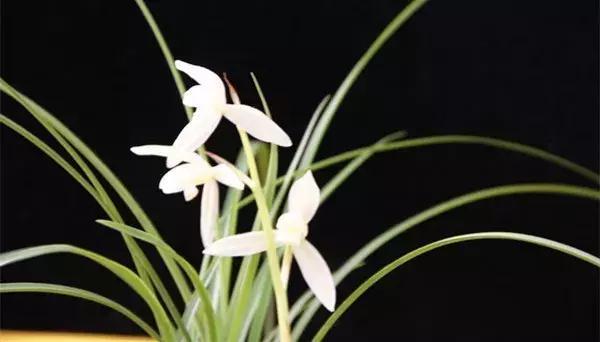
Many flower lovers prefer growing orchids. Since ancient times, orchids have been the symbol of purity and elegance, and a symbol of noble character. Orchids possess an elegant and mysterious fragrance that no other flower in the world can compare with, extremely full of a refined aura.
Orchids are not only one of China's top ten famous flowers, but also the typical representative of the Four Gentlemen among flowers. They symbolize the temperament and elegance of flower growers. Many people like to keep a bunch of orchids at home, fresh and charming, adding a touch of refined taste, which is truly delightful.
However, orchids are a kind of flower that greatly tests maintenance skills. If grown well, orchids will bloom in flowers of different colors and distinctive charms, making the home look especially lovely; but if there is a mistake in maintenance technique, orchids will quickly develop yellow leaves and root rot, and the ornamental effect will be greatly reduced.
To grow orchids well, watering is a crucial part. In daily care, the soil environment needs to be kept moist. If water accumulates in the pot, it easily leads to root rot, and if the soil is too dry, it will cause yellow leaves and withering. It is also recommended not to use tap water directly to water orchids, as it easily causes soil compaction and leads to scorched tips and withering.
Below, the editor will introduce several kinds of water commonly found in daily life. If used to care for orchids, the effect is comparable to nutrient solution, with good fertility and amazing results.
1. Fruit peel soak water
Fill a bucket with some tap water, then put in some washed fruit peels, such as citrus peel, apple peel, etc. They can accelerate the absorption of chlorine and other substances in tap water, change the smell and properties of the water, and the fruit peels themselves contain good nutrients, which are beneficial to plant growth.
Note that after putting the fruit peels into the water, take them out after about one or two days. Never let the fruit peels rot in the water, lest they pollute the clean water and bring bacteria and viruses, instead causing a negative impact on orchid growth.
2. Rice washing water
Rice washing water is a rare good material for growing orchids. It is overall weakly acidic and rich in phosphorus and potassium elements. Using rice washing water to grow orchids can not only speed up the growth of the flowers, but also enhance the disease resistance of orchids, making their leaves green and flowers fragrant, and making them more robust.
I believe all flower lovers already know the method for fermenting rice washing water, so the editor will not repeat it here. What must be emphasized is that when using rice washing water to water orchids, be sure to dilute it with clean water first, keeping the ratio at about 1:3. During the growing season, water once a week, and after November, water once every half month.
3. Diluted rice vinegar
The soil salinity and alkalinity most suitable for orchids to survive is around 6. General northern soil cannot meet this requirement. At such times, rice vinegar diluted with a lot of clean water can be used, which can solve this problem well.
Note that it is best to choose rice vinegar that does not contain salt, then dilute it with clean water about 200 times. If it is too concentrated, it will instead have the opposite effect. Watering with diluted rice vinegar solution about once every three months can not only improve the pH of the soil, but also play a role in disinfection and sterilization, promoting healthy growth of orchids.
Precautions
1. Among the above three kinds of water, except for fruit peel soak water, the other two are fertilizing water. Pay attention to the timing and frequency of use, and never use them routinely;
2. In addition to these, the most suitable water in nature for growing orchids is rainwater and snow water, which are beneficial to the growth and development of orchids and enhance their ornamental value;
3. Never use well water, soapy water, sewage, tea water, etc. to water orchids. In mild cases, they will become sick and wilt, and in severe cases, they may cause the orchids to wither and die.