Grow your newly bought snake plant this way, and in a year it will fill the pot with thick leaves and lots of small shoots
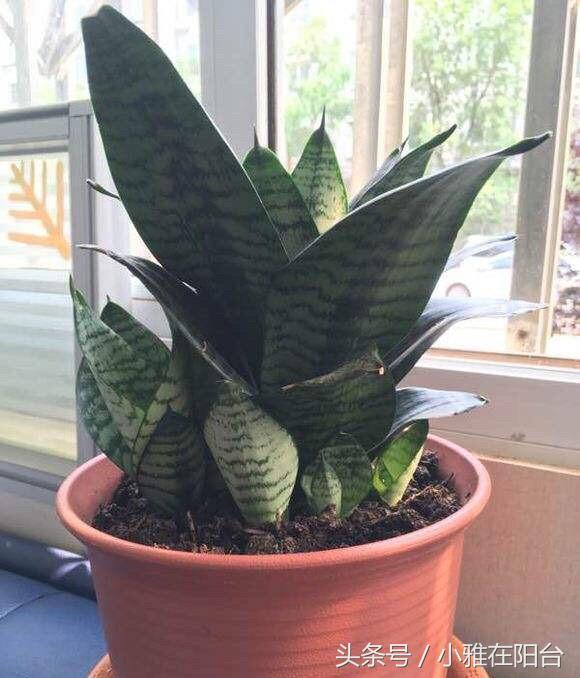
Snake plants are perennial evergreen herbaceous plants and also foliage plants. Keeping one pot at home can purify indoor air, and with good care it can live for many years. Golden-edged snake plants, long-leaf snake plants and others are all grown the same way. How do you care for a newly bought snake plant, and what kind of soil should you use to grow it?
Grow your newly bought snake plant this way, and in a year it will fill the pot, with lush leaves and lots of small shoots!
With the snake plant you bring home, it is best to plant it with a bit of its original soil, as this makes it easier to survive and it grows especially fast. First check the previous soil mix. If the previous soil is not very good, you can mix your own soil again. You can use leaf mold mixed with garden soil and river sand; this kind of soil is relatively loose and breathable, and not prone to compacting or waterlogging.
One gardener used this soil mix to grow snake plants and the growth was very vigorous: three-fifths fully rotted pine needle leaf mold, plus one-fifth river sand, plus one-fifth rotted dry cow manure. Using this soil to plant snake plants gives excellent growth! Loose, breathable and fertile.
There is another gardener who uses whatever soil is available at home, but in any case the main thing is good breathability and drainage. He uses garden soil, mixed with perlite, pine bark, clay pebbles and the like. In short, as long as it is a bit loose, mixing them together to plant works quite well too.
After planting, if the soil is already fairly moist, you can skip watering for now. Even if you water, just water once, then place it in a well-ventilated spot with bright indirect light and let it recover for a week. Wait until the potting soil is completely dry before watering a second time. Why is watering so important? Because the roots have not yet grown firmly in place, and watering too much at this time easily causes root rot and yellow leaves.
In summer and autumn, when temperatures are higher, water more often. In winter, watering must be strictly controlled, and the plant should be placed indoors in a sunny, warm spot.
During the growing season, bury a little fully rotted chicken manure, or a few cooked soybeans, at the edge of the potting soil, a bit farther from the roots. Then the snake plant's nutrition is sufficient. With each watering, it can absorb the nutrients from the fertilizer. The leaves grow emerald green and lush.
Moreover, a snake plant that has filled its pot can also have some leaves cut off, cut into several sections and propagated as small plants by cuttings, or divided into several pots, producing even more snake plants. Isn't that very practical and cost-effective?
Xiaoya has taken snake plant cuttings several times. Although the time for sprouting and rooting is not as fast as with roses, they will definitely grow out. Snake plants you propagate yourself by cuttings give you a full sense of accomplishment!