Common office plant propagation techniques: these three methods are enough
Plants kept in the office are no different from plants kept outdoors. To propagate them, you just need to encourage the plants to grow roots so they can survive on their own. Growing more plants is also very simple. Below are the most common techniques.
Because plant species differ, their propagation methods differ too, and this needs to be distinguished. Some plants like to grow side shoots, some have particularly long branches, and some can even flower and fruit.
1. Division propagation
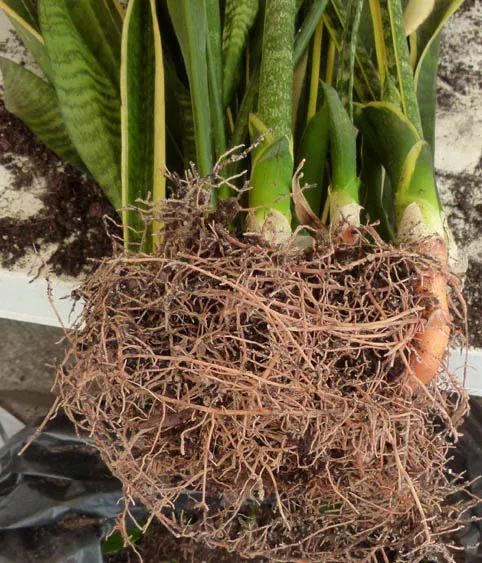
Plants grow small side shoots beside the main root. You can wait until these side shoots reach a certain height, then repot and transplant them, which is division propagation.
We can cut these side shoots off directly together with their roots, let the wounds dry, and then transplant them into new flower pots.
There are many plants that easily grow side shoots, including the common aloe, snake plant, kalanchoe, clivia, hen and chicks, spider plant, cast-iron plant, iris and Boston fern.
Division propagation is generally done in spring and autumn. Once the side shoots grow to about 5 cm, they can be cut off together with their roots and replanted in loose, well-draining potting soil.
2. Cutting propagation
The vast majority of plants can be propagated from cuttings, whether from a stem or even a single leaf, and can be regrown into new potted plants, namely stem cuttings or leaf cuttings.
The cutting propagation method is also very simple. First, choose some robustly growing plants and cut a section of stem about 9-12 cm long from their branches. This section of stem should be growing robustly; do not use branches that look too old or too tender.
The cut branch should have its lower leaves removed, with 4 leaves kept at the top. Cut the bottom of the branch at an angle, dip it in a little rooting powder, and prepare loose, well-draining sandy soil, or place the cutting in 3 cm of water, changing the water every two or three days. This also encourages rooting, after which it can be transplanted into soil.
There are especially many plants suitable for cutting propagation, including the common jade plant, kalanchoe, pothos, rubber plant, dragon tree and money tree.
3. Layering propagation
Layering propagation is divided into air layering and ordinary layering. This propagation method is also very simple; choose plants with relatively robust branch growth.
The specific method is to press a relatively long branch or vine down into the soil. If the branch is relatively large, use a sharp knife to make a ring cut on the part pressed into the soil, with the ring cut about 3 cm long. Prepare loose, well-draining sandy soil, press this section of vine or branch into the soil, fix it in place with some large stones or other heavy objects, and finally keep the soil moist and the environment warm. After two or three months, this section of branch can be cut off and become an independent potted plant.
There are many plants suitable for layering propagation, including the common English ivy, pothos, hydrangea, hoya, heartleaf philodendron and spider plant.
If you want to successfully carry out air layering, you should try several times, which makes success easier. This method involves making a ring cut on the layering part of the branch, that is, removing a 3-5 cm ring of bark all the way to the cambium of that section of branch, while avoiding damaging the stem inside the bark.
It should also be wrapped with some sphagnum moss or soil with water-retaining ability, kept out of direct sunlight, and the sphagnum moss kept moist. Once it is full of roots, it can be cut off directly and planted in new potting soil.
Plants suitable for air layering include the common dragon tree, money tree, radermachera, rubber plant, schefflera and others.
4. Other propagation methods
Other propagation methods also include: seed propagation, tissue propagation and tuber (bulb) propagation, etc.
Many herbaceous flowers are generally propagated by seed, and they grow especially fast, making them suitable for growing from seed. The most common plants propagated by tissue culture are new varieties such as orchids and Boston ferns, while others are grown from tubers or bulbs at the base of the rhizome.