How to Eat Jute (Mayi) and Its Nutritional Benefits: What Does Jute Mallow Soup Do
If you are not from central Taiwan, you may be somewhat unfamiliar with this plant called mayi (jute mallow). Just after the spring equinox, the newly planted jute (mayi) in the mountain areas is a scene of lush green. After rubbing the jute leaves in water to remove the bitter juice, they are simmered with whitebait to make a cooling, heat-relieving jute mallow soup, which is the wisdom of the ancestors for dealing with heatstroke in the scorching summer.
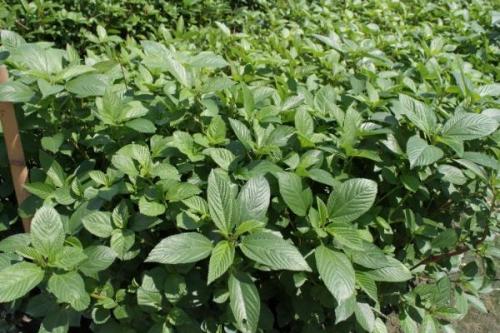
Mayi, also known as mayi (jute mallow), with the scientific name (Corchorus capsularis L.), is an annual herbaceous plant of the genus Corchorus in the family Malvaceae, native to India and other places. It is a common local plant in Taichung in summer. "In central Taiwan, people often take the tender leaves of jute, rub them to reduce the bitterness, add sweet potato and whitebait, and boil them into a cooling, heat-relieving jute mallow soup. This is the wisdom of the ancestors for dealing with heatstroke in the scorching summer," said Dr. Zhang Youming with a smile. Jute varieties include the round-pod type, whose capsules are round and which tastes bitter and astringent; and the long-pod type, which is long in shape, has no bitter or astringent taste, and whose leaves do not need to be rubbed. It is also known as Egyptian king vegetable, Egyptian sweet jute, or long-capsule jute. Both types can be used in cooking.
The edible parts of mayi are the tender shoots and new leaves of the plant. It is rich in β-carotene (which is converted into vitamin A), vitamin B1, B2, and various minerals, and also contains high levels of antioxidant components, making it a rare healthy vegetable. It is full of a highly viscous mucilaginous liquid composed of water-soluble plant fibers such as pectin and galactan polysaccharides. After rubbing the jute leaves in water to remove the bitter juice, they are simmered with whitebait. For friends who have not yet tried it, you can imagine the feeling of amaranth and small fish thick soup, but with a slightly sweet-bitter taste. If you do not like the sweet-bitter taste, you can replace it with Egyptian sweet jute.
In the early days, the textile industry encouraged the cultivation of jute in central Taiwan in order to make hemp cloth, hemp rope, and other products. Later, its economic role faded, but it left behind in central Taiwan a food culture of eating the tender sprouts of jute, known as "mayi." In recent years, Taichung has begun calling for resumed cultivation, using the idea that "only with land and farmers can there be mayi" to let the grassroots nature and local flavor of mayi awaken Taichung people's cherishing of the land, and thereby promote local education in elementary schools.
Mayi is cultivated in Taichung, Changhua, and other places, and was introduced to Taiwan for planting by the Dutch around the 1600s. It is easy to cultivate and very heat-tolerant, and summer is its main production season. "It can be sown as early as March in spring, develops quickly, and can begin to be harvested about one month after transplanting, with continuous harvest possible until August or September in summer," said Dr. Zhang Youming. However, after autumn begins, shorter daylight makes it prone to flowering and fruiting, and falling temperatures make it less suitable for planting.
During the April consecutive holiday, you might as well take a walk in the Lishan area of the Smart Agriculture Pavilion at the Taichung World Flora Exposition and experience the natural charm of this central Taiwan wild vegetable.