Put 2 kinds of filthy things that make everyone recoil into the flower pot, and the plants will grow so wildly they burst the pot
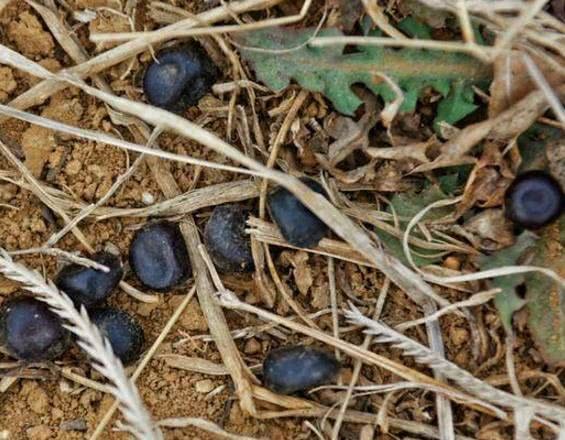
The first is sheep manure, which is a good nutritional fertilizer for potted plants. What needs attention is that it must be fermented before planting plants. Potted plants are generally watered when completely dry; alternating dry and wet is better. Each time you water, you can add a little nutrient solution, and the plants will grow better and more vigorously. Sheep manure is better than chicken manure. Mixed well with garden soil, its effect is similar to horse manure soil, and it is an excellent growing medium.
Sheep manure cannot be applied directly; it must first be composted and fully fermented before use. Using it directly will burn the roots and cause the seedlings to die. Making sheep manure flower fertilizer: pile the sheep manure together, do not let the moisture be too high, 50~60%, cover well with plastic film, and ferment anaerobically. Turn it about once every ten days (to prevent the temperature from getting too high or the fermentation from being incomplete). In summer it takes about one month, and in winter three months. After fermentation is complete, it has no foul odor and can be used.
During this period, you need to understand some common knowledge: too high or too low is not good for fermentation. If there is too little water, fermentation is slow; if there is too much water, it will lead to poor aeration, slow heating, and a foul odor. How to adjust the moisture of the material: if the moisture is too high, you can add straw, sawdust, mushroom residue, dry soil powder, etc. How to judge whether the moisture is suitable: squeeze a handful of the material tightly, and water marks appear between your fingers but no water drips, and it falls apart when dropped on the ground. The entire fermentation process is completed in 5-7 days.
The second is worm castings. When using worm castings to grow flowers, we can mix worm castings and soil at 1:1, or place them directly on the surface of the flower pot, so that when watering, the worm castings and soil can slowly combine. Although worm castings are very good for growing flowers, we cannot use 100% worm castings to grow flowers; that is really too luxurious. And not all flowers are suitable for growing with worm castings. Use them as appropriate.
Worm castings not only contain the various nitrogen, phosphorus, and potassium, trace elements, organic matter, and humus needed for plant growth, but are also the only natural granular-structure fertilizer, with aeration and drainage, and also high water retention. The special structure of worm castings also makes them a home for many beneficial bacteria, which can inhibit the reproduction of harmful bacteria in the soil. They can not only fertilize the soil and effectively improve soil compaction, but also improve the disease resistance of flower soil.
When growing kalanchoe, Monstera deliciosa, and Chinese roses, worm castings can all be used. What needs attention is that they are not recommended for succulents, because succulents need relatively few nutrients. If used on succulents, it is easy to cause root burn and root rot. Kalanchoe grows best in well-aerated clay pottery, and can also be planted directly in purple clay pots or plastic pots. What is worth noting is that when planting, put a layer of crushed charcoal or hard plastic foam blocks at the bottom of the pot. This is to increase aeration. It is prone to root rot in heavy clay and is not easy to choose.
This is a gathering place for flower lovers, sharing flower care tips. You are welcome to follow and exchange ideas.