2 kinds of fruit peels: don't throw them away after eating; put them in a bottle, add water, and use it to water flowers - better than fertilizer
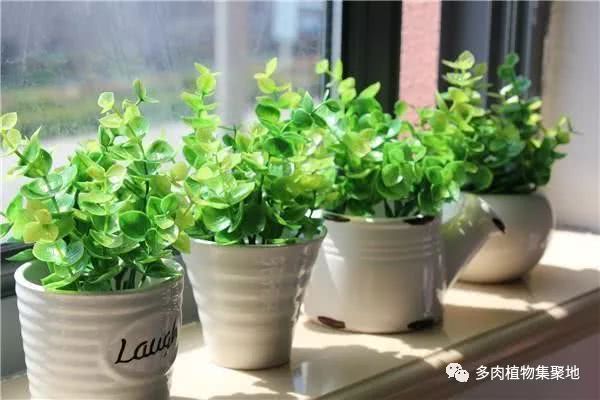
When growing flowers at home, you don't necessarily have to spend money on fertilizer. In our daily lives, waste suitable for use as flower fertilizer can be collected everywhere. With just a little preparation, it can be used to fertilize potted flowers, and its nutrient content is more complete than purchased chemical fertilizers or tablet fertilizers, its fertilizer effect lasts longer, and it is economical and practical. Growing flowers is a very interesting thing, so get moving now!
Do you know how to make organic fertilizer from fruit peels yourself? If you don't know, let me tell you. After eating watermelon, don't throw away the rind and other scraps - besides watermelon rind, there are also orange peel and banana peel. For example, in summer there is a lot of watermelon rind, and at this time of year, which is the season for eating oranges, you can collect orange peel. And adding lemon peel will also give it a slightly fresh fragrance. And so on - as long as it grows on a tree, it can actually all be used. If you think the pieces are too large, you can cut them up a bit with a knife.
It is best to make homemade fertilizer in autumn and winter. When the temperature rises in spring and it has decomposed and broken down without a foul odor, it can be mixed into potting soil as a base fertilizer. For home flower growing, the above fertilizer sources are generally not soaked to make liquid fertilizer, in order to maintain environmental hygiene. Inedible rotten beans, spoiled peanuts, moldy melon seeds, rotten eggs, etc. all contain relatively rich nitrogen. Crushed bones, fish bones, poultry manure, chicken feathers, hooves and horns, human hair, etc. contain rich phosphorus. These organic wastes from daily life, after being piled up and fermented, can be used as base fertilizer; sealed and soaked in a vat or bucket to make a black, foul-smelling liquid, after dilution, can be used as a top dressing.
It must be fermented first. Let's start with orange peel. Orange peel is rich in organic acids, vitamins, essential oils and other components. After fermentation, it becomes a high-quality nitrogen-phosphorus fertilizer. At the same time, it is weakly acidic, making it very suitable for application to plants such as pothos, spider plant, and lucky bamboo. You can prepare a jar or box, or an empty oil jug or the like. It is best not to use glass, because fermentation will occur later and produce gas. If the gas is not released in time, it may explode.
Put all the fruit peels in, then cover with the lid, and place it in an inconspicuous spot. Leave it there all the time, and occasionally open it every few weeks to release the gas. This is because a lot of gas will be produced inside. If you don't want to release the gas, you can choose a larger bottle and leave more empty space. It is faster in summer and slower in winter. It can only be opened and used as fertilizer after fermentation.
The second is pomelo peel. Pomelo peel is also rich in trace elements such as phosphorus and potassium, is weakly acidic, and after fermentation can be used to fertilize flowering plants such as jasmine and gardenia. Method for making flower fertilizer from pomelo peel: mix the pomelo peel directly into two-thirds sandy soil, or put it into a small bucket, basin, jar or other container and seal the opening tightly with mud, and compost it into humus soil. It can then be used directly to plant flowers, or applied as a top dressing for flowers.
This is a gathering place for flower lovers, sharing flower care tips. You are welcome to follow and exchange ideas.