Fig Potted Cutting: One Branch in a Plastic Bottle Sprouts Little White Roots in Half a Month
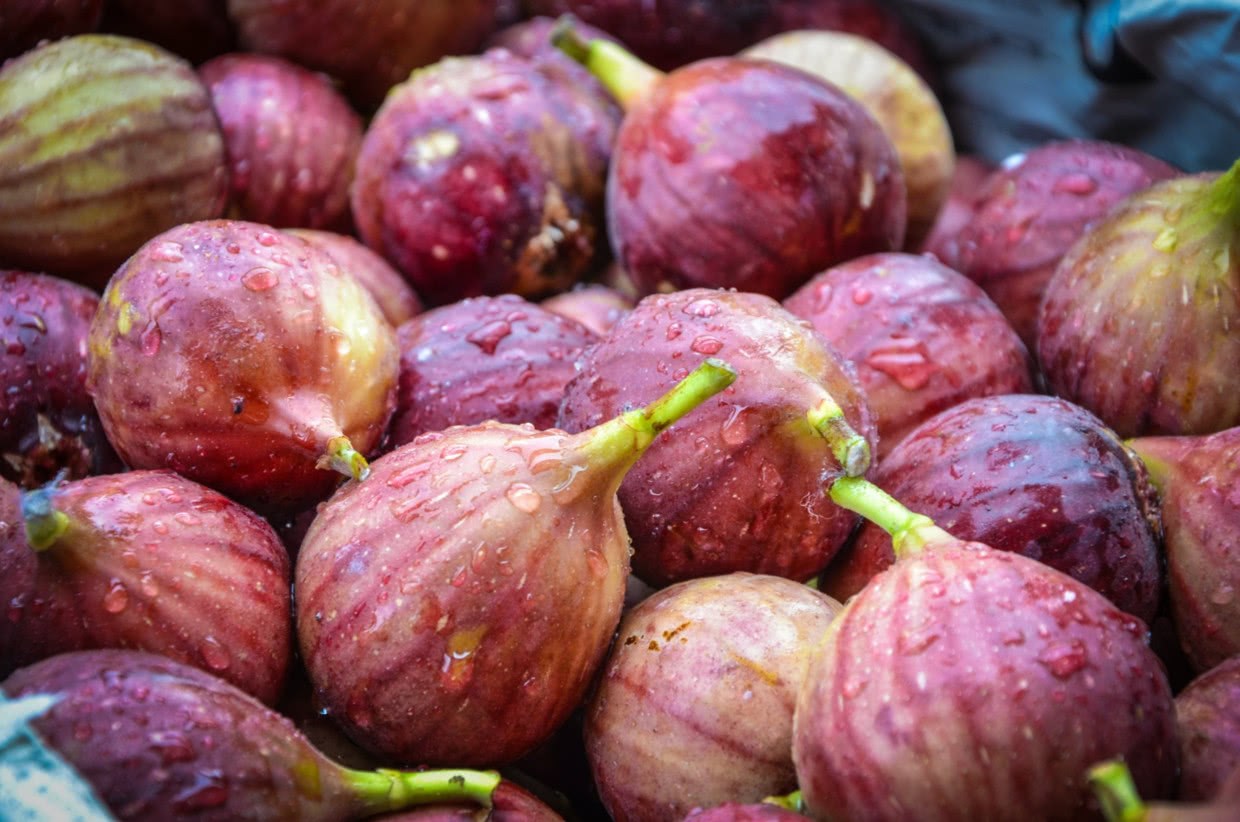
Growing potted fruit trees on the balcony is very popular now, and being able to eat fruit you planted and picked yourself is truly a rare pleasure. But with so many potted fruit plants to choose from, which one is better to pick? Huahua believes everyone has memories of sneakily eating figs as a child, that sweet taste spreading through your mouth, feeling super delicious. Autumn happens to be fig season too, so why not grow a pot of figs on your balcony at home?
Figs have many benefits. For example, people with high blood pressure and high blood sugar can eat them without any effect on their condition, and after drying them and steeping them in water, they also have a certain effect on soothing the throat. Actually, the most key point is that growing and caring for potted figs is very convenient, and it does not require much effort at all!
If we want our home potted figs to bear fruit quickly, we can use a plastic bottle to help. With one branch and one plastic bottle like this, figs can send out little white roots in about half a month. Come and see how to do it specifically!
First, we need to trim and modify the plastic bottle, cutting it open from the top, all the way down to one third of the bottle. Next, we need to leave a small round hole at the bottom of the bottle, so that when the fig sends out roots and shoots later, they will have enough room to grow.
After the bottle is prepared, the next step is to prepare the fig branch to be used for cutting. For fig branches, relatively sturdy old branches are usually chosen. In order to root and sprout faster, you can cut a small slit in the middle of the branch and remove the bark at the cut. Once both things are ready, you can do the cutting.
We directly put soil into the prepared plastic bottle, and then insert the branch into it. Because the plastic bottle has been modified, soil may leak out. At this time, we can add a layer of plastic bag or cling film around the outside to improve this situation. After the cutting is done, we regularly give the fig a little water, and after about half a month we will find that it has rooted.
After rooting, the fig can be transplanted into a flowerpot. When transplanting, be careful to protect the roots that have just emerged. After the fig is successfully transplanted, normally you need to ensure an appropriate amount of watering, about 3 times a week. In winter, when the fig's growth slows down, you need to reduce the amount of watering.
If you want the fig branches to grow faster and bear more fruit, then you can also prune appropriately in normal times. Branches such as dead branches or branches growing too fast can all be pruned. After pruning, nutrients will be distributed more evenly, and the growth will naturally get better and better.
Friends who like eating figs might as well plant one now, and after a few years you will be able to eat sweet, soft, and delicious figs grown with your own hands!