Peanut shells for growing flowers: camellias as big as a fist, roses with strong roots and orchids full of fragrance
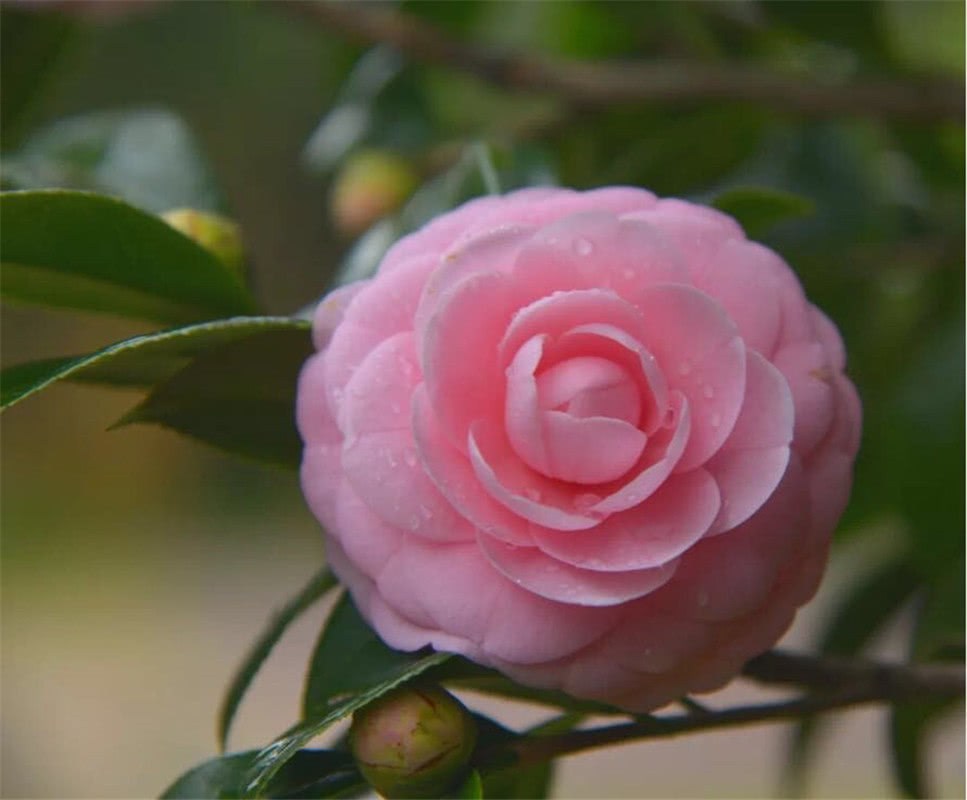
Many little masters love growing and viewing flowers. This little gardener especially loves looking at big, beautiful blooms. Grandma loves camellias, and seeing camellias makes her smile for a long time, just like seeing herself when she was young. But many little masters complain tearfully that the beautiful blooms always belong to other people. Don't panic, this little gardener will now teach you a "good trick" for growing flowers.
1. Grandma grows camellias relying entirely on peanut shells
When Grandma grows camellias, there is actually a trick I think flower masters will surely love, and that is using "peanut shells" to grow camellias. Everyone probably knows peanut shells, but what benefit do they have for growing camellias? Actually there are quite a few benefits. Used well, your camellias can bloom a size bigger than before, and you can also use this trick when growing other flowers.
2. Peanut shells for growing flowers: airy and nutritious
Actually, little masters, do not underestimate these peanut shells. Peanut shells contain quite a lot of protein, vitamins, minerals and amino acids, all of which are nutrients that flowering plants need; furthermore, after drying, the main component of peanut shells is crude fiber, which does not easily break down into powder and can increase drainage and air permeability in the soil. Having said so much, what everyone really wants to know is how to use them, so look below.
3. Peanut shells for growing flowers: two treatments, two uses
Peanut shells can only be used if they contain no salt and no other seasonings. Secondly, peanut shells must be treated, and there are two treatment methods. The first is to boil the peanut shells once, then dry them in the sun, and use them after they become slightly lighter; the second method is to compost and decompose them, and they can only be used once the smell changes and the color darkens. The two methods lead to two uses.
If you simply treat them with the first method, then there is only one use, and that is to put them at the bottom of the pot as a drainage layer. Peanut shells padded at the bottom of the pot can ensure drainage and air permeability at the bottom, and after decomposing they can also add a certain amount of fertility. This little gardener will introduce a soil-mixing method Grandma often uses: 6 parts garden soil, 2 parts river sand, 2 parts peanut shells, with peanut shells as the bottom layer. This method suits those flowering plants that need relatively high moisture retention.
If you use peanut shells treated with the second method, then they can be mixed into the soil, and the effect is even broader, and they can be used for even more flowers, such as camellias and roses, and also orchids and clivias. But you must ensure the peanut shells are completely decomposed. For example, when potting up orchids, you can use this mix: 5 parts bark, 2 parts peanut shells, 2 parts peat soil, 1 part ceramsite as the bottom layer.
4. Peanut shells for growing flowers: pair them well and supplement fertilizer
Usually, no matter what flowers you are caring for, although peanut shells contain nutrients, the nutrients are usually not enough. To get an explosion of blooms, we still need to top-dress. During the growing period, apply an organic nutrient solution that strengthens roots; when flower buds are about to appear, use an organic nutrient solution that promotes and preserves blooms. If it is camellias, then use an acidic organic nutrient solution to water the camellias, adjusting soil acidity and alkalinity and supplementing nutrients. Although peanut shells have fertility, their fertility is also limited.
So, when growing flowers, everyone can consider collecting some peanut shells to use. This little gardener has also prepared some, haha, and still does not have enough. Peanut shells are a good thing, a sharp tool for growing flowers, so do not miss out on them.