Don't throw away leftover fruit peels - turn them into flower fertilizer and your flowers will bloom one flush after another
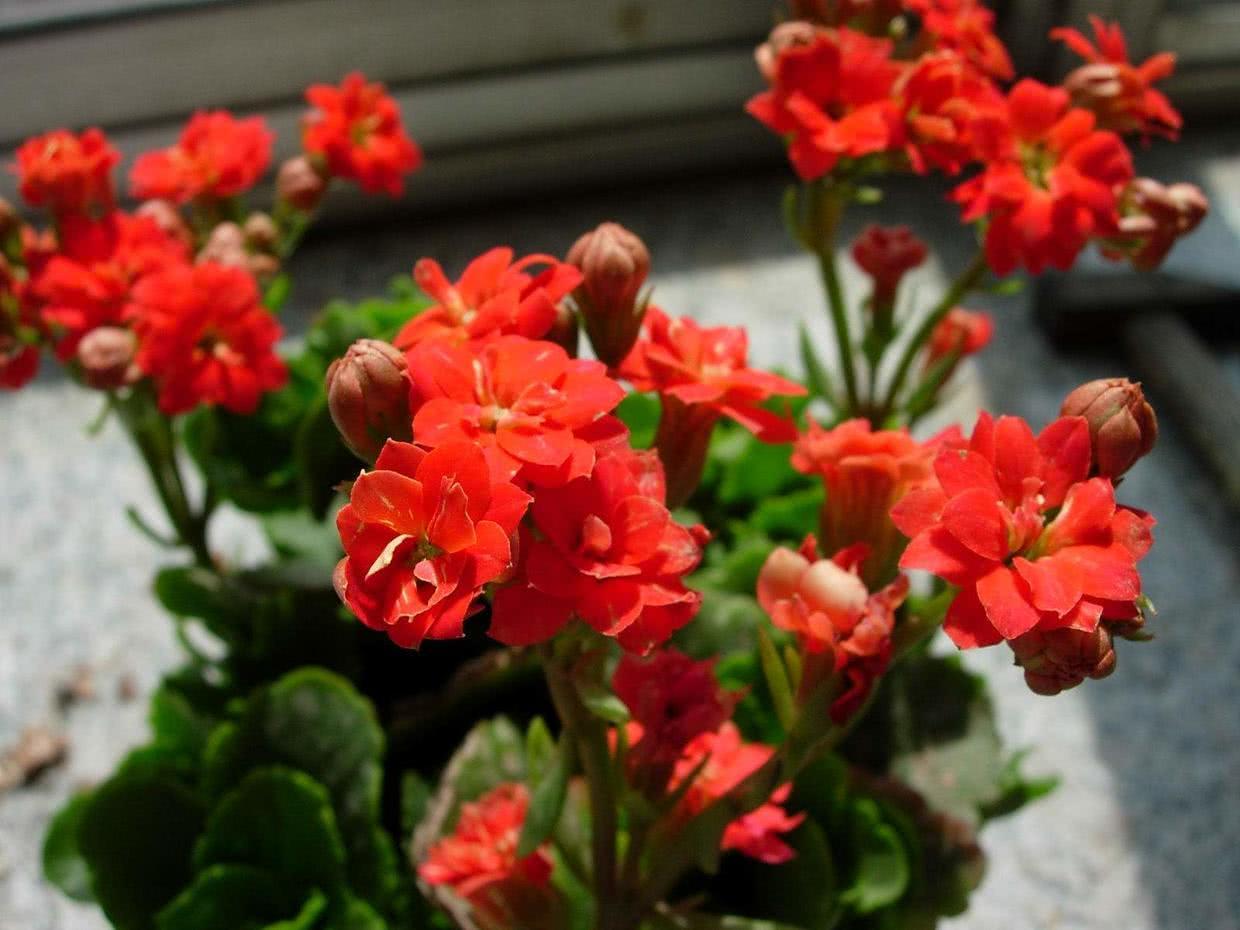
Now that autumn has arrived, many friends want to grow a pot of kalanchoe. Why? Huahua has heard that the kalanchoe has a very good symbolic meaning, carrying the sense of long-lasting endurance. Add to that the fact that kalanchoe blooms all year round, and it has truly won many people's affection!
Kalanchoe is actually very easy to grow, but many flower growers are always striving for perfection and want their own kalanchoe to bloom more vigorously and grow more lushly - so what should they do? Today Huahua will share with everyone the advice given by flower lovers who have grown kalanchoe for many years, so that everyone can help each other and make their kalanchoe bloom more vigorously and better!
Actually, if you want your kalanchoe to grow well, the most important thing is to "eat" well - with sufficient nutrients it will naturally grow vigorously. Some people say that even when they fertilize their kalanchoe with different things in turn, the results are still a bit lacking - what should be done about that?
Huahua wants to tell everyone that there is really no need for so much trouble - you don't need to buy so many kinds of fertilizer for your kalanchoe in turn, because the fruit peels left over from the fruit your family eats every day are enough! Flower growers often hear that rice-washing water is good for watering flowers, that eggshells make a decent fertilizer, and so on - just looking at it all makes your head spin, yet people don't realize that the fruit peels we usually eat are also very useful!
Don't throw away leftover fruit peels - once chopped up they can be used as fertilizer! One thing to note is that these fruit peels also cannot be used directly as fertilizer; like rice-washing water, they still need to be fermented first. Huahua will tell everyone a time-saving method: mix the rice-washing water and the chopped fruit peels together, then leave them in the sun to ferment. This saves time and effort, and the fermented fruit peel and rice-washing water can even be used together to water flowers!
When watering the flowers, you need to dilute our homemade fertilizer first before watering, otherwise the fertilizer may be too concentrated and easily burn the plants! The frequency of watering with fertilizer water should not be too high either - about once every half a month is enough. In this way, the kalanchoe can absorb nutrients and the flowers it produces will be even more vigorous!
Not only can it be used as fertilizer water, you can also mix the fruit peels into garden soil; the two combine and ferment together for a period of time to become decomposed organic soil, which we can use when repotting and trimming the roots of the kalanchoe. The new soil is rich in nutrients, more fertile than the previous soil, and more beneficial to the growth of the kalanchoe. Believe that after changing the soil, the kalanchoe will grow stronger and bloom even more vigorously!
You wouldn't have thought that the fruit peels we usually leave after eating could have such an effect, right? Next time after eating fruit, flower growers should not throw away the leftover peels - with just a little processing they can become flower fertilizer, and a pot bursting with blooms is no problem! Hurry home and give it a try!