Don't Throw Away Old Loofah Gourds: They're Great for Gardening in Autumn
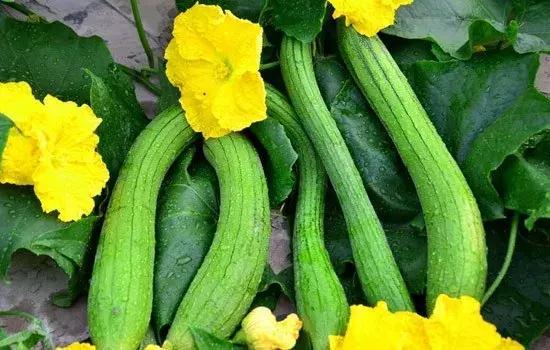
Loofah is a vegetable with high nutritional value, with cooling, diuretic, blood-activating and detoxifying effects.
After old loofah gourds mature, the flesh becomes tough and the skin becomes thick, and they are no longer edible, so it is a pity to throw them away. Besides processing these mature loofah sponges for washing pots and dishes, they also have many uses in gardening. Come and take a look!
In our daily gardening, we inevitably run into problems like compacted soil, poor drainage in flower pots, and soil that is not breathable. At times like these, loofah can easily solve our problems.
Take old loofah gourds, cut them into small pieces, then put them in a dry place to air-dry. Remove all the dried skin, rinse them clean with water, and then dry them in the sun. Placing these small dried loofah pieces at the bottom of a flower pot can effectively solve the problem of poor drainage.
Crush the loofah sponge into small pieces and mix them into the potting soil of a flower pot. This can make the soil more breathable and effectively improve the problem of soil tending to compact. Loofah sponge is also a very good slow-release nitrogen fertilizer, able to continuously provide nutrients to flowers and plants and help them grow better.
Old loofah sponge can also be used as a gardening container for growing flowers. Split an old loofah in half from the middle, dry it in the sun and remove the skin, then hollow out the sponge in the middle.
Find a container about the same size as the loofah section, and you can drill one or two holes in it for drainage and airflow. Then insert the container into the loofah sponge, and a simple little loofah cup is ready. Use it for raising seedlings, or grow some small succulents; it is both attractive and simple.
So, fellow gardeners, have you learned this loofah gardening trick?