Potted lavender not blooming? These few care tips are key
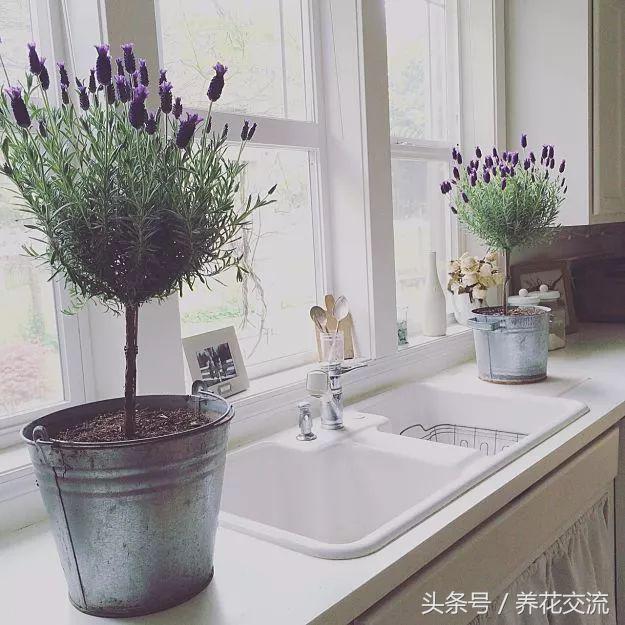
Whether or not you have experience growing flowers, growing lavender is relatively easy. This fragrant plant is especially suited to being grown on a balcony without much fuss, because it has good drought tolerance on its own, and its flowers, stems and leaves all give off a captivating fresh scent that puts people at ease. It is especially easy to grow.
1. Choose the right variety
Lavender comes in different varieties too. Beginners had best choose English lavender (Lavandula angustifolia), because it is a low-growing plant that grows well in a cool, dry environment and is suited to pot culture. Which variety of lavender you want to grow also depends on the growing environment.
You can also grow French lavender (Lavandula stoechas) or English lavender (Lavandula angustifolia), and so on. They all adapt well to their environment, but you need to pay attention to the points below.
2. Choose the best position
The spot where you grow lavender must have as much light as possible. The more sun, the better it grows. It needs at least 6 to 8 hours or more of direct light each day, which helps the branches and leaves grow strong. Try to place it in a spot sheltered from wind to keep the flowers from dropping. Growing lavender in a pot on a balcony is a good choice.
3. Prepare the soil
The first thing when growing lavender is to give it suitable soil. You must not choose slightly acidic soil; instead you need slightly alkaline sandy soil. The soil pH should be around 7.5. Make sure the soil drains well, and you can add some well-rotted organic fertilizer at the bottom of the pot.
4. Pay attention to drainage
The soil for growing lavender must have some river sand added. You can add 2 to 3 equal parts of river sand or perlite to the soil. Lavender is very afraid of dampness, and waterlogged soil easily causes root rot. You can spread some small clay pebbles or broken tile pieces over the drainage holes at the bottom of the pot.
5. Keep spacing
When caring for lavender, you also need to keep the branches and leaves ventilated and exposed to light. Do not plant them too densely; the environment must have good airflow and light. Lavender's root system grows vigorously, so it needs gaps when planted. For pot culture, choose a fairly large terracotta pot.
6. Watering
To learn to care for lavender, you must be sure to water it regularly. Each time, wait until the soil is completely dry before watering. Do not let the soil stay damp for a long time, and even more so do not let it become waterlogged, otherwise root rot comes easily. In the first two or three weeks after planting, you can keep the soil appropriately moist.
7. Harvesting
Harvesting lavender also requires choosing the right time. You can harvest once its fragrance reaches its peak. If the flowers at the base of the stems have already opened, then you can cut them straight off at the base of the stems.
Making dried flowers is also very simple. Just tie the lavender together and hang it upside down in a warm, dry and cool place for about two weeks.
Lavender can be used to make desserts, or to repel insects, and it can also be placed near a pillow, which helps you relax and aids sleep.
To prevent weeds from growing and to protect against the cold in winter, you can spread a layer of mulch on the soil surface in late autumn. You can use common materials such as gravel, coarse sand or rotted wood shavings. Remove it after spring warms up, otherwise it easily leads to moisture buildup.