This plant absorbs formaldehyde even better than pothos, and once planted in a new house it survives on its own with no care needed
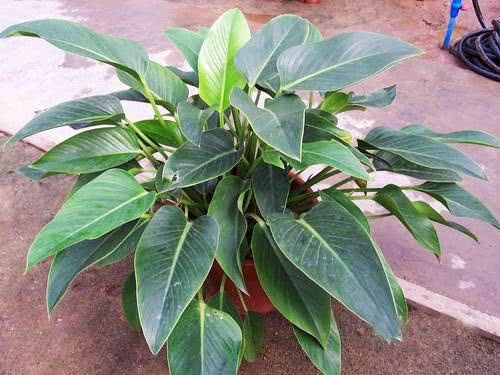
Everyone knows that pothos is a good plant for absorbing formaldehyde, but there is another plant that works even better, and the key point is that it is also easy to care for. This plant is called the philodendron 'Golden Diamond' (Philodendron 'Golden Diamond'), and it likes a warm, humid environment, but the potting soil must not be too wet. In winter, water once every two weeks; in summer, you can water every day. Do not let the summer sun scorch it, otherwise the leaves easily develop scorched spots, so growing it in a ventilated indoor spot is also fine.
If you water too frequently in winter, it easily drops leaves and easily rots at the stem. When the philodendron 'Golden Diamond' drops leaves or shows yellow leaves, it is because the potting soil is not loose and is too compacted. Watering needs to be done when the surface soil is slightly dry; it must not be overly soggy. The potting soil needs to be given a chance to replenish air. If the potting soil is always moist, there will not be enough oxygen for the roots to absorb, so the roots will rot, causing the plant to wilt and, in serious cases, to die.
The philodendron 'Golden Diamond' is not strict about soil requirements; it grows best in a sandy loam rich in humus and with good drainage. For container growing, a nutrient soil mixed from peat and perlite is often used. It should be placed in a semi-shaded spot, and in summer direct harsh sunlight must be avoided to prevent burning the leaves. During the growing season, keep the soil consistently moist and avoid letting it get too dry. Use frequent misting of the leaves and sprinkling of the ground to increase environmental humidity, and try to maintain a ventilated, warm, semi-shaded environment.
During division, you must be careful and meticulous to avoid damaging the main roots. Plant the separated young plants in loose, fertile sandy soil, then place them in a semi-shaded spot indoors, and be sure to mist frequently to prevent the young plants from wilting. After one week, gradually reduce the frequency of misting. In about half a month, the young plants will roughly be established and can be given normal care. Watering should be handled flexibly: in the dry seasons of spring and summer, keep the soil moist, while in autumn and winter, water only when the soil is dry and stop when it is wet. A well-grown philodendron 'Golden Diamond' will produce some brownish-red roots at the rhizome and soon sprout new shoots; at this point, you can divide the plant in time.
For container growing, you can use a potting mix made from leaf mold or peat soil with a small amount of river sand. Fertilizing should not be excessive; generally apply 1 to 2 times a month with dilute fertilizer water, or apply a slow-release flower fertilizer once every other month. Too much fertilizer will cause the leaf stalks to grow long, thin and soft and to bend downward, affecting the ornamental effect. Stop fertilizing in winter. During the growing season, you can apply some dilute liquid fertilizer or apply a slow-release flower fertilizer once every 2 months; too much fertilizer will cause the leaf stalks to become thin and soft, bend downward, and reduce ornamental value. In winter, fertilize less or not at all.
In winter, reduce the number of feedings, because when it enters dormancy, the philodendron 'Golden Diamond' cannot take up too many nutrients; at this time, fertilizing will instead add burden to the plant. After autumn arrives and the weather turns cool, you can place the philodendron 'Golden Diamond' in a bright, warmer spot for care, and control watering. If it stays wet for a long time combined with low temperatures, the leaves easily turn yellow. In serious cases, the roots will rot and cause the plant to die.
This is a gathering place for flower lovers, sharing flower care tips. You are welcome to follow and exchange ideas.