Don't worry about tiny flying insects on your succulents - put a lamp on the balcony and the bugs won't dare come near
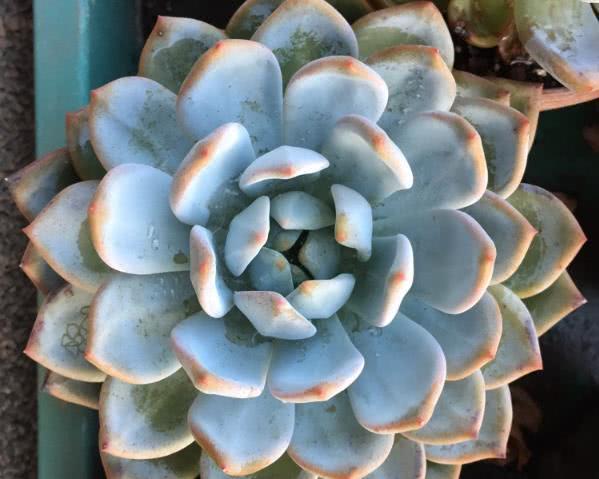
When it comes to pests and diseases of succulent plants, as the number of varieties you collect grows, you will run into many problems, and the causes may be pests, diseases or incorrect cultivation methods. With the right methods, succulents will grow quickly and healthily, but growing them in an environment completely different from their native habitat makes perfection very hard to achieve. The threat of pests and diseases is everywhere, whether in a greenhouse or on a windowsill, and a gardening friend recently ran into fungus gnats.
Besides those slow-moving pests that cling to the plants and suck their sap, there is another type of insect that is equally annoying: flying insects. They not only harm succulents but also cause trouble for people. Just imagine: when guests come to your home, little flying insects buzz back and forth between you, which is sure to make the host very embarrassed.
For adult insects that have already hatched, we need to hunt them down step by step. At night, hang a lamp on the balcony, hang a flypaper strip below the lamp, or place a basin of water under the lamp. Use an "electronic mosquito killer" placed on the balcony; the airflow-suction principle releases the light, heat, carbon dioxide, water vapor and so on that flying insects like, attracting them over. Once the flying insects fall into the mosquito-catching air vortex, they become like a turtle in a jar, and finally die of dehydration after being dried out by the air.
If you find that the number of flying insects has increased rapidly recently, you need to evenly sprinkle some small pesticide on the surface of all the potting soil, and it is best to buy the kind of small granular formulation used for household flowers. First prevent female insects from laying eggs in the soil again, and suppress the hatching of larvae, so as to control the source. For adult insects that have already hatched, we need to hunt them down step by step.
For most common pests, systemic insecticides, contact insecticides and insecticidal granules are commonly used. Systemic insecticides are very effective: they are absorbed by the plant into its body fluids, and then the pests are poisoned when they suck them. But this kind of insecticide is highly toxic to humans and can also enter the human body through the skin, so be careful.
Keeping the cultivation environment clean and tidy can effectively prevent pests and diseases. Remove dead branches and fallen leaves promptly; dead and fallen leaves are the best hiding places for pests, and when damp they can breed fungi and produce large amounts of spores. After operations such as replanting and division, be sure to clean up the site, and spraying disinfectant on the walkways and the ground under the flower racks is an effective preventive measure, though it will of course have an unpleasant smell.
This is a gathering place for succulent plant lovers, sharing succulent care tips; you are welcome to follow and exchange ideas.