Growing Viola cornuta at home in autumn: easy to bloom, high ornamental value
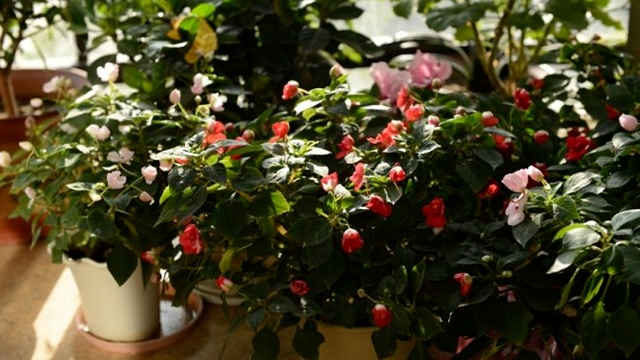
He not only grows all kinds of flowering plants, but also quite a few green foliage plants. The two types look very fresh when paired together. My friend also recommended to me a flower suitable for bringing home in autumn, called Viola cornuta (horned violet). It is said that when it blooms, it is even more beautiful than a "butterfly"!
Although this flower, Viola cornuta, is small in size, it has great energy. As long as you water and fertilize it on time, it can grow into a full pot, and it also produces a large number of flowers. Viola cornuta comes in a huge range of flower colors; purple, white, and yellow are all common colors. This is also why it is said that when it blooms, it can be more beautiful than a butterfly.
Viola cornuta is generally propagated by sowing seeds. Find suitable soil, sow the seeds, and it will bloom in about two months. The daily care of Viola cornuta is very simple; with just casual care it can fill a pot. Flower-loving beginner gardeners might want to consider it.
1. Soil
Viola cornuta is a plant that prefers acidic conditions, so for both planting and care it is best to use acidic soil with good drainage and rich nutrients. If we want to grow it at home ourselves, we can make it by mixing peat and perlite in proportion.
2. Light
Viola cornuta likes to grow under sufficient light. Generally, the stronger the sunlight, the more vigorously Viola cornuta will bloom. If it is cared for in a dark place, phenomena such as leaf drop and flower drop may occur. Therefore, when caring for it at home, it can be placed on a windowsill or balcony close to the sunny side.
3. Watering
Viola cornuta should be watered in moderation, avoiding excessive water flowing to the bottom of the flowerpot and causing water accumulation. Choose a watering can similar to the kind used for watering succulents, as this makes it easier to control the amount of water. When watering, it is best to choose a relatively cool time, so that the water will not evaporate quickly and can provide nutrients to supply what Viola cornuta needs for growth.
4. Fertilizing
The fertilizing situation for Viola cornuta is different from most plants. It needs to start being fertilized when it has grown tender leaves after sowing. Most fertilizers chosen are thin fertilizer water containing nitrogen. In the peak growth period, Viola cornuta's fertilizer demand becomes even greater, so as to ensure its flowering speed and flower size.
After Viola cornuta has been cared for over too long a time, problems with pests and diseases may appear. Be sure to respond in advance to prevent pests and diseases from spreading to the entire plant. When the small Viola cornuta blooms, it really holds nothing back; delicate little buds hang all over the branches, and looking at them is truly enjoyable. Flower lovers who like it can consider it; it is especially suitable for beginners to grow!