10 Flowers That Bloom in Winter and Spring - No Need to Worry About Having No Flowers to See When It's Cold
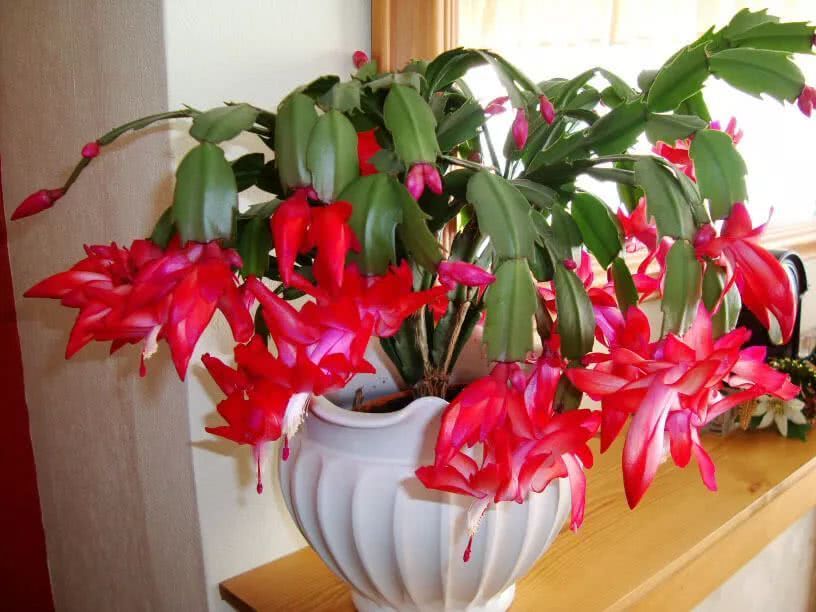
Most plants go dormant in winter, meaning they stop growing, and some even wither and dry up, resuming growth after spring warms up. This doesn't mean all plants behave this way. The ten flowers below can produce brilliant blooms in winter, adding color to your home.
1. Christmas Cactus
The Christmas Cactus (Schlumbergera) is a tropical epiphytic flowering plant. It prefers a cool, slightly moist environment year-round. The growing environment should have appropriate indirect light; avoid harsh sun or excessive direct sunlight. Avoid frequent watering, keep the environment ventilated and well-lit, and maintain a temperature between 12-22°C. Avoid temperatures that are too high, and also pay attention to maintaining relatively high air humidity. Keep the minimum care temperature above 7°C.
2. Red Cat's Tail
Red Cat's Tail (Acalypha reptans) is a particularly easy-to-grow flowering plant, especially suitable as a potted plant on a windowsill. It prefers a warm, humid environment year-round. When caring for it, pay attention to maintaining relatively high air humidity. It can grow in bright light or in spots with more sunlight. Be careful not to let children or pets come into contact with it, because it is somewhat toxic.
3. Shrimp Plant
The Shrimp Plant (Justicia brandegeeana) is very suitable for growing indoors. As long as a warm, humid environment is maintained year-round, it can remain in bloom all year. It prefers relatively abundant light; even direct sun exposure is fine. When grown indoors, protect it from cold, and keep the minimum care temperature above 7°C.
4. Cyclamen
Cyclamen is a very charming flowering plant, with heart-shaped leaves that have mottled patterns, and flowers that look like rabbit ears, with captivating flower colors.
When caring for Cyclamen, pay attention to maintaining a warm, humid environment year-round. When watering, avoid getting water on the leaves to prevent fungal infections.
5. Golden Bell Flower
Golden Bell Flower (Malvaviscus arboreus), also called Lantern Flower, is a tropical flowering shrub. It prefers a warm, humid environment year-round. The growing soil should be slightly acidic, fertile, loose humus soil. The minimum care temperature should be kept above 7°C to avoid frost damage in winter. Watering can be appropriately reduced, but it must have relatively abundant light year-round.
6. African Violet
African Violet (Saintpaulia) is a plant very suitable for growing indoors. It does not need too much light and is afraid of harsh sun. The growing location should have appropriate indirect light. During the growing season, pay attention to regular watering, and supplement with organic liquid fertilizer once every two to three weeks. It has a great many flower colors, and the forms of its flowers and leaves vary.
7. Clivia
Clivia is an indoor plant that blooms in winter and spring. It prefers short-day conditions, with appropriate indirect light each day. It can also survive in cool, dry conditions. Avoid direct sunlight or excessive harsh sun. During the growing season, wait until the soil about 3 cm below the surface has dried out, then water thoroughly.
8. Hibiscus
Hibiscus is a very charming tropical flowering shrub. When grown as a potted plant, it can be pruned regularly to control its shape. During the growing season, pay attention to maintaining a warm, humid environment year-round. The growing location should have 6-8 hours or more of direct sunlight each day.
9. Golden Vein Justicia
Golden Vein Justicia (Sanchezia nobilis) is a particularly charming flowering plant and is especially easy to propagate. It prefers a warm, humid environment year-round and can produce brilliant, captivating golden-yellow flowers in winter. The growing location should have relatively abundant light. During the growing season, pay attention to maintaining relatively high air humidity and water regularly.
10. Ixora
Ixora is a tropical flowering shrub. It prefers relatively high air humidity and should be protected from dry air. When grown indoors, keep it ventilated and well-lit, with relatively abundant light each day. During the spring and summer growing seasons, give it a light organic fertilizer once every two to three weeks.