Grow your indoor potted weeping fig this way for the best air-purifying effect
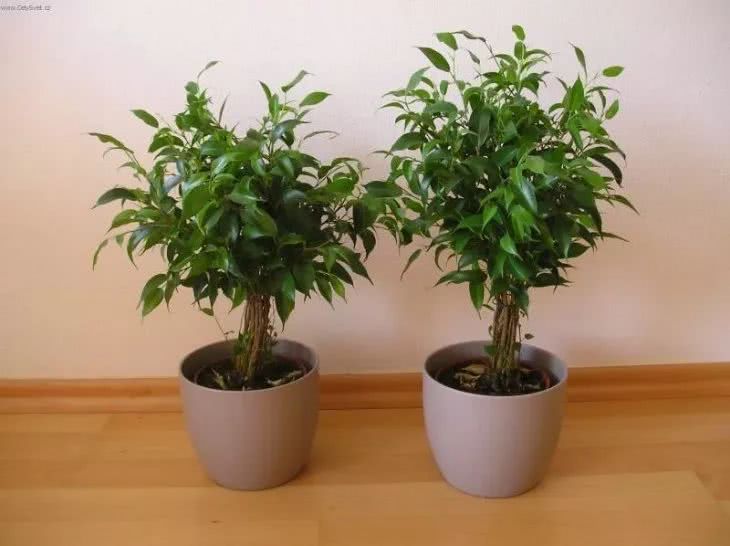
The weeping fig is a very popular indoor potted green plant. It has an excellent air-purifying effect and does not need frequent care. Its leaves hang downward and can stay evergreen all year round, most of them being dark green.
The weeping fig likes a warm and humid environment all year round, and it can also grow well in a cool indoor spot. It can also be kept indoors for a very long time; its growth will become slower, and you can regularly clean the leaves to avoid too much dust on them.
1. Care location
The weeping fig can grow well in various indoor locations, and it can grow well in sunny or semi-shady spots, but it grows even better in a hot and humid environment. When grown in pots, turn the pot regularly to keep its branches and leaves growing evenly and avoid crooked growth.
Once it is placed in a spot, avoid moving it frequently, otherwise it will easily drop its leaves.
2. Potting soil
For the weeping fig, be sure to choose fertile, loose, well-draining humus soil or sandy soil. Avoid using peat soil with overly strong water retention, otherwise the roots will easily rot. Be sure to add enough river sand or perlite to the soil to ensure good drainage.
After the seedlings are planted, avoid frequent transplanting, otherwise the root system will grow unstably.
3. Care notes
When growing a weeping fig, do not choose an oversized container. A pot only slightly larger than the weeping fig plant is enough. When planting, add a layer of granular stones at the bottom to avoid water accumulation in the soil. Water thoroughly each time.
4. Regular fertilizing
When caring for a weeping fig, you need to supplement fertilizer regularly, because it grows very quickly and you must ensure there are enough nutrients in the soil. Generally, give a light organic fertilizer once a month during the growing season, usually fertilizing in spring and summer. After the weather starts to turn cool in autumn, stop fertilizing, otherwise the leaves will easily turn yellow.
5. Watering tips
When caring for the weeping fig, pay attention to regularly supplying water during the growing season, that is, in spring and summer, water thoroughly after the soil dries out. For a weeping fig kept indoors, regularly mist water around it to maintain higher air humidity. They do not like overwatering, otherwise their leaves will easily curl and turn brown, and in severe cases the stems and roots will easily rot.
6. Appropriate sunlight
The weeping fig can grow quickly in a spot with more sunlight. If there is only moderate indirect light, its growth will slow down. For a potted weeping fig, avoid direct sunlight. You can keep it on a windowsill with moderate indirect light every day to avoid scorching the leaves.
If you find that its leaves begin to dry up, it proves there is too much sunlight, so move it to a place with less sunlight.
7. Temperature and humidity
Keep the growing temperature for the weeping fig between 18 and 25 degrees. In warm seasons, you can keep the weeping fig outdoors. Keep the minimum care temperature above 5 degrees to avoid frost damage from temperatures that are too low.
The environment for caring for a weeping fig should maintain relatively high humidity. A relative humidity of about 50% to 70% is most suitable. If the air is dry, its leaves will easily fall. Do not place it next to heating or air conditioning, otherwise the leaves will easily turn yellow.
8. Propagation by cuttings
The best way to propagate the weeping fig is by taking stem cuttings. Directly cut off a section of stem about 9 to 12 cm long, remove the lower leaves, make a slanted cut at the bottom, dip it in a little rooting powder, and insert it into loose, breathable, well-draining sandy soil, where it will take root and sprout.
During propagation by cuttings, keep the soil moist and maintain the temperature at around 20 degrees.
9. Daily care
The weeping fig is a plant that is especially easy to grow. The care environment should remain ventilated and bright. Avoid keeping it in an enclosed space, otherwise it will easily drop leaves.
10. Pests
The most common pests of the weeping fig are scale insects, mealybugs and red spider mites, usually caused by a poorly ventilated environment. The first signs are yellow leaves and continuous leaf drop, and there will be some small red speckles on the leaves. The method to deal with them is also very simple: maintain a ventilated and bright environment, regularly spray water around it to increase air humidity, and when pests are found, directly use a cotton swab dipped in alcohol to apply on them, which can clear them out in one go.